Stress Management Tools

Helps You to get Stress under Control

  • Home
  • About
  • Blog
  • The Program
  • Free Offer
  • Contact
You are here: Home / Archives for Healthy Lifestyle / Nutrition

Nutrition

Finding Peace In Your Crazy-Busy World

March 24, 2024 by Vicki Griffin

We live in a topsy-turvy, fast-paced world. It’s easy in the rush of crammed, hectic schedules to neglect life’s most important priorities. There is more to life than increasing its speed.((Mahathma Gandhi)) Our lives can easily become so busy…but oh, so barren. God has a special four-part “peace plan” to guide, strengthen, and inspire you with hope and energy. Let’s explore these vital elements of stress protection, physical and mental health, and spiritual vitality. Daily applying these four principles will help you flourish instead of flounder as you face life’s challenges and demands.

Finding Peace In Your Crazy-Busy World

1. A Lifestyle that Promotes Peace

Lifestyle is a major factor that affects mental, physical, social, and spiritual health. Lifestyle choices matter, especially the ones we repeat every day. They have a profound effect on brain function, which is the seat of your thinking, emotions, and decisions. “Many of the fundamental tools for the care and feeding of the brain are everyday matters. Physical and mental exercise, proper nutrition, and adequate sleep will help anyone gain cognitive clarity and emotional stability.”((Ratey, J. User’s Guide to the Brain, p. 356. Vintage Books, 2002.)) Power up your lunch and supper with crunchy, colorful fresh vegetable salads, greens, and beans. Try healthy vegetarian entrees instead of fatty meats and fried food. You won’t crave snacks with this delicious, high-fiber fare. Want real brain energy and body vigor? Water is the beverage of choice between meals instead of soda and coffee!

2. Attitudes that Produce Peace

Your mind, brain, and body are in constant communication through many different systems. Your thoughts and attitudes have a powerful effect on the rest of your body, especially your immune, nervous, and digestive systems. We can literally think ourselves into a frenzy, but God promises His peace, “perfect peace” to the one whose mind is centered upon Him (Isaiah 26:3). He invites us to trust Him with every circumstance of our life. A thankful attitude is associated with better physical and mental health, and even a longer life. “A contented mind, a cheerful spirit, is health to the body and strength to the soul.”((Ellen G. White, Counsels on Health (Mountain View, California: Pacific Press Publishing Association, 1949), 344.)) This is an attitudinal discipline that focuses on God’s truth and solutions rather than fear, circumstances, and unreliable emotions.

A woman looking into a mirror with a positive smile

3. Spiritual Principles that Secure Peace

“Spiritual well-being is at the center of a healthy lifestyle.”((Am J Crit Care 1995;4(1):77-81.)) To meet our deepest longings, God has provided spiritual principles that bring true life satisfaction. This does not come with wealth, fame, popularity, or even perfect health. It comes through making peace with God—in entering into a saving relationship with Him. Studies confirm that “Religious commitment may play a beneficial role in preventing mental and physical illness, improving how people cope with mental and physical illness, and facilitating recovery.”((Arch Fam Med 1998;7(2):118-24.)) Our natural hearts are not drawn to God, but we need Him. We are drawn to God because of our need—and God’s healing love which draws us. “We love Him because He first loved us” (1 John 4:19). God’s love is the foundation of a relationship with Him and healthy relationships with each other. We connect with God through prayer and learning about Him in His life-giving Word, the Bible. “In the day of my trouble I will call upon You, for You will answer me” (Psalm 86:7).

4. Faith that Preserves Peace

Faith is more than positive thinking—it is connecting with the living God who seeks to restore all that sin has broken and taken away. Jesus never promised an absence of problems. Jesus said: “These things I have spoken to you, that in Me you may have peace. In the world you will have tribulation; but be of good cheer, I have overcome the world” (John 16:33). Faith is the conviction that God will guide you and give you power through both good times and bad. Faith says, “Either make the problem smaller, or me bigger!” God has a plan and He cares for you in a very personal way. “For I know the thoughts that I think toward you, says the Lord, thoughts of peace and not of evil, to give you a future and a hope” (Jeremiah 29:11).

A man in nature meditating and praying

God’s Peace Plan can be Yours. Hulda Crooks experienced God’s peace plan in her lifestyle, attitude, trust in God, and faith. She was a sickly, sedentary, overweight woman for many years. She became a vegetarian, which improved her mental and physical health. But when she experienced the loss of her husband and son, she fell into depression. Hulda began walking which not only relieved her depression—it also eliminated more of her physical maladies, including constant fatigue.

Conquering Life’s Mountains. Hulda also began practicing a positive, faith-based attitude that gave her the “altitude” to stay inspired and be an inspiration to others! From aged 63 to well into her 90s, she completed 23 Mt. Whitney climbs, backpacked 212 miles of the John Muir Trail, climbed 86 Southern California peaks, and held 8 world records for seniors over the age of 80. This spunky late-bloomer caught and taught inspiration as a motivational speaker, and was affectionately known as “Grandma Whitney.” A mountain peak of Whitney is named “Crooks Peak” in her honor. God’s peace plan was fulfilled in Hulda’s life—and it can be fulfilled in yours too! Would you like to experience the fullness of Gods power, promise, and plan for your life? His peace plan is for you!

Do you need a guide to help you understand how to cope with Stress in an all inclusive approach? Learn how to combat stress, mentally, physically, emotionally and strategically in your life.

Get Me the Guide

This article was originally published on the Time to Get Ready website.
Filed Under: Habits, Healthy Lifestyle, Nutrition, Spirituality, Stress Management

How Fasting Improves Mental Health and Stress Control

November 13, 2022 by Martin Neumann

Fasting Improves Stress Control

There are many different motives why people choose to do fasting. Some will do it to lose weight, others to clean the body, and often it is done for religious purposes. While all of that can be achieved when done properly, many do not realize that fasting has a positive effect on our mental health and stress control.

How Fasting Improves Mental Health and Stress Control

What is Fasting?

Fasting is a routine whereby you decide not to eat food for a certain time. Several metabolic adjustments occur during fasting. Some forms of fast restrict even liquid intake, which can get detrimental to the health very quickly. A fast for health reason is often done in the form of intermittent fasting, where food intake is alternated with a few hours of fasting.

Skipping food for some hours can help increase the level of ketones in your body. They are produced when energy from carbohydrates is used up and the liver depends on breaking down fat to supply energy in form of ketones. They are not only influencing health and aging, but are also beneficial in improving brain health. However, fasting offers still some more advantages. It has a great benefit to our mental health in a way that is not well known by many people.

Common Types of Fasting

Before we go into full detail about how fasting helps mental health, it is important to state the different types of fasting. The most common types of fasting are:

16/8 fasting: 16/8 fasting is very common and is all about fasting and eating intermittently. Every day you eat within an allowed period of eight hours, after which you will fast for the next 16 hours.

5:2 Approach: The 5:2 approach is about eating regularly five days every week. For 2 days of the week (not in a row), you would then limit your food to a single very light meal of about 500-600 calories.

Alternate-Day Fasting: That is the toughest form of intermittent fasting, where you alternate between days where you eat what you want and days where you eat nothing at all. It can lead to weight loss and improved health, but it is hard to stick to this protocol for the long run.

Intermittent Fasting Concept

The Dangers of Improper Fasting

Fasting is fine when done correctly, but if done in the wrong way, it can do more harm than good. If we go into long fasting periods, metabolism will slow down and make it more difficult to shed those extra pounds in the long run. Pregnant women, breastfeeding mothers, children and very frail people should be more cautious with fasting, and diabetics should be closely monitored to avoid complications. It is important to learn how to fast correctly in order to reap the maximum benefits.

Fasting to Help Increase Your Mental Health

Fasting can be used to increase your mental health in various ways. From improving brain function to reversing mild cognitive impairments in older people, fasting has several benefits to mental health.

Here are 6 ways fasting can improve your mental health:

Enhances mental functioning: Each time we fast, our bodies have fewer toxic materials passing through the lymphatic and blood systems. This way, we can think clearly. During fasting, the energy which the body usually uses for food digestion will then be used by the brain. Initially, you will not be able to detect any change until a few days into the fasting. This is because the body usually takes some time to adjust to the new routine. Also, when you first begin fasting, you may suffer headaches or other pains. But as soon as the body adapts to the new routine, your brain will begin functioning optimally. This will result in better memory, clearer thoughts, and enhanced functioning of other body senses.

Improves brain function among older adults: Fasting can improve specific parts of brain function as people grow older. This works especially with mild cognitive impairment, which is usually associated with seniors as this is a phase they experience before dementia. It can cause problems with thinking or memory and is reversible. Clinical studies have confirmed that mild cognitive impairment can be reversed with fasting.

A smart elderly person working on a computer

Empowers the brain: Fasting can lead to a short-term restriction on calories. This can help the brain produce more anti-depressant chemicals. Since fasting causes the body to produce ketones from available fats, our brains use this as fuel. With the brain being boosted by ketones, intermittent fasting can be used to treat the symptoms of Alzheimer’s disease, Parkinson’s disease, as well as many other neurodegenerative diseases.

Helps with autophagy: Fasting is also important to mental health due to its ability to trigger autophagy. This is a necessary process whereby the brain cleanses itself from all the trash it accumulates during the day. Autophagy is a process of self-cleaning whereby the all cells of the body, including the brain are cleaning themselves and get rid of old debris and damaged cells. Autophagy is a process that happens efficiently after a fasting period of 16-20 hours, which is easily achieved with intermittent fasting. It helps the brain to create healthier and newer cells.

Improve your memory: It has been proven clinically that our memory is improved significantly when we restrict the hours we eat. Some studies have shown that intermittent fasting can help improve memory in humans.

Reduce stress and anxiety: Fasting has been proven to help improve issues of mental health, which include depression, anxiety, and stress. A recent study conducted was able to prove that people who fasted during a certain period like Ramadan showed improvements in anxiety, stress, as well as symptoms of depression. Any kind of intermittent fasting will give you this benefit. The study revealed that the depression and anxiety levels of the participants went down after intermittent fasting.

Conclusion

Intermittent fasting is good for our health, increases longevity and is beneficial for our brain. When we are stressed, we should think more often about intermittent fasting as a way to deal with the challenges in a more efficient way. It is easy to implement and can give you a long-lasting benefit in your stress control. With that many benefits, what are you waiting for?

Do you need a guide to help you understand how to cope with Stress in an all inclusive approach? Learn how to combat stress, mentally, physically, emotionally and strategically in your life.

Get Me the Guide

Filed Under: Healthy Lifestyle, Nutrition Tagged With: Intermittent Fasting

Foods to Reduce Anxiety

November 28, 2021 by Ricardo Vargas

When talking about anxiety, we are not talking about a rare disorder, but something that affects 85% of the world population, according to recent studies by Psychiatrist Augusto Cury.

Foods to Reduce Anxiety

Anxiety is a biological characteristic of human beings, which precedes moments of real or imagined danger. In this context, many unpleasant symptoms appear, such as:

  • Fatigue
  • Insomnia
  • Fainting sensation
  • Chest pain and palpitations
  • Dry mouth
  • Muscle tension and pain
  • Sensation of having a “knot” in the throat
  • Mental confusion
  • Feeling of helplessness

These symptoms are not rare, a large part of the population has suffered from anxiety. And most people have difficulties following simple advice on this matter. However, a large part of this difficulty is linked to the lifestyle we lead, especially when it comes to food.

Cortisol is your stress hormone; the same that triggers anxiety. This hormone needs to be in balance with serotonin, which is responsible for happiness. The ingested food plays a fundamental role in the amount of these hormones circulating in the bloodstream.

Our nutritional patterns has undergone many changes over the last few decades. Many are claiming lack of time as the main reason. Commuting time has increased, which forces many to leave their homes without having the first and most important meal of the day: breakfast. Many meals have been taken outside the home, forcing people to eat what they find and not what they often want.

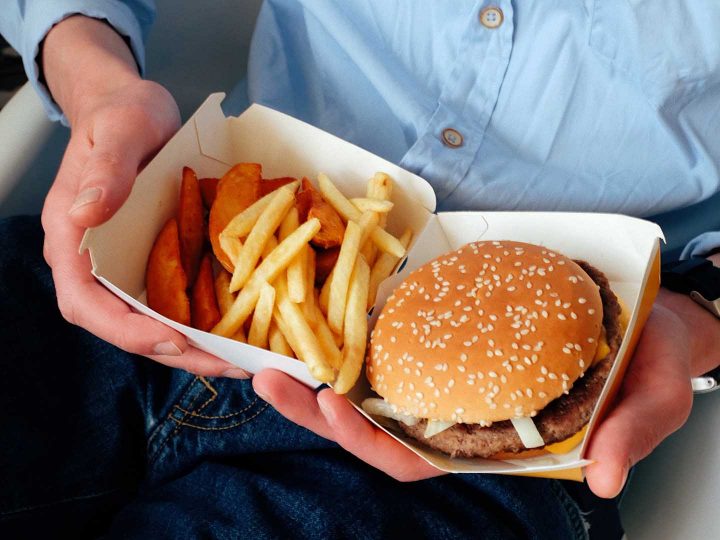
Fast food purchased on the go

Commitments beyond work have also increased, and often due to the difficulty of planning and managing time, the last meal is eaten late at night. The body is forced to work to complete digestion when it should be involved in regeneration processes. It is during the first sleep period that your body works to reduce cortisol. A late night meal rich in protein and fatty foods interferes with cortisol control. And, the only certainty we have is that the next day our anxiety level will be higher.

Our evening meal should be as close to sunset as possible, remembering that during summer the sunset is later and the last meal should be taken at least two hours before bedtime. At the last meal, we should prioritize the consumption of foods rich in carbohydrates, for example, fruits, oats or granola, toast and soups made from tubers or roots. Also be careful with the quantity.

Serotonin, the hormone that controls cortisol and consequently controls anxiety, is produced in the morning until 9 am. It is essential to eat foods that are rich in tryptophan at breakfast, as this is the raw material used by the body to produce this happiness hormone.

Include some of the following foods in your breakfast:

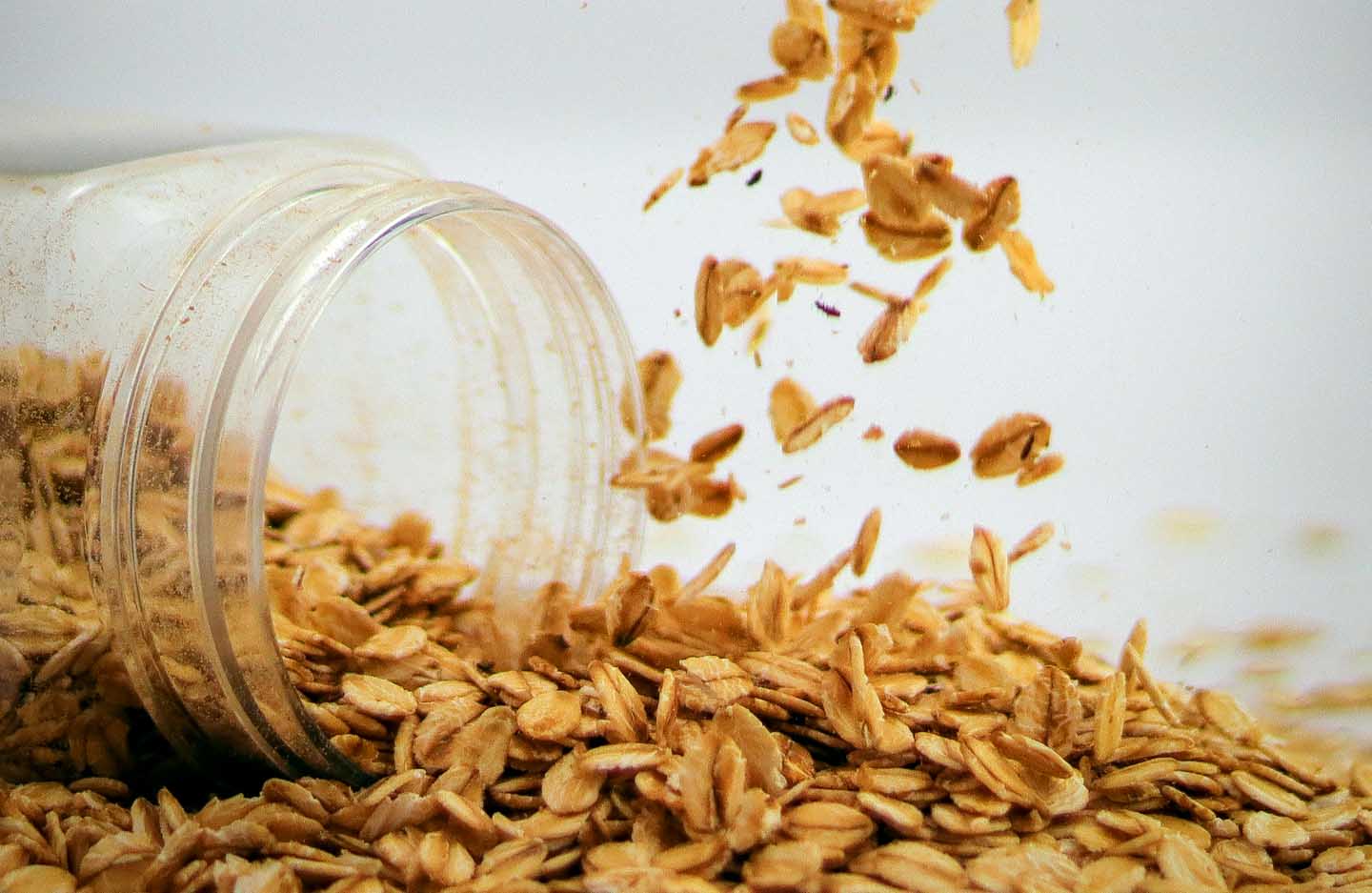
  • Oats or granola
  • Chickpeas, can be in the form of hummus
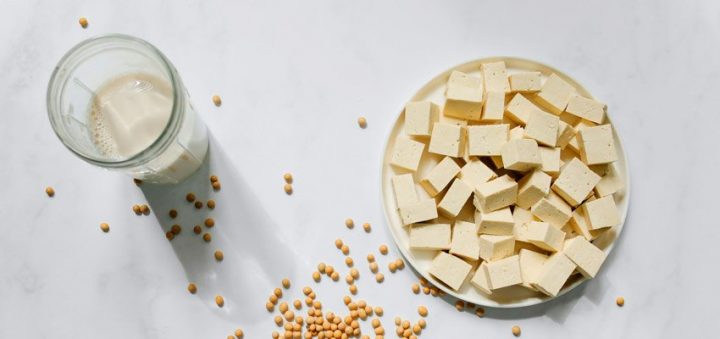
  • Soybeans in the form of milk or tofu (can be grilled or as a spread)
  • Peanuts (in natura, as milk or peanut butter)
  • Hazelnut
  • Cashew nut
  • Brazil nuts
  • Almonds (to be eaten fresh, as milk or as ricotta)
  • Brown rice (can be in the form of sweet rice)
  • Banana
  • Honey

Of those foods above, include two to three sources. Never eat more than one source of nuts at a meal so that there is no excess fat.

Tofu and soymilk

The inclusion of these foods will give the body the opportunity to produce serotonin, but it is essential to exclude foods that increase cortisol from the menu, or all the effort will be in vain.

Stop consuming the following foods, that include stimulants:

  • Coffee (even the decaf)
  • Green, black, red, yellow and white teas as well as mate tea (these are obtained from two plants called: Ilex paraguariensis and Camellia sinensis.)
  • Alcoholic beverages
  • Guarana
  • Cola soft drinks
  • Chocolate

These stimulants impair serotonin production and increase anxiety. Some may say that when they make use of these they feel better. Beware, this is a warning sign, as you may already be suffering from an addiction.

Some important considerations about serotonin production:

  • The intestine is the production site of serotonin, so it is important that it is working properly. Consume whole foods, fruits and vegetables. Increase your water intake. Remove refined foods from your table.
  • Sunbathing in the morning increases the stimulus for serotonin production, 20 minutes would be enough to bring this benefit.
  • The practice of physical exercise improves bowel function and even promotes greater production of serotonin when performed in the morning. Put on some sneakers and go out for a walk early in the morning. You will find that your day will be different.
Walk on the beach
  • A good night’s sleep helps control cortisol levels and prevents it from damaging the production of serotonin. Your efficiency will be better if you can sleep before 9:30 pm.

These recommendations are not intended to replace the use of medications or a consultation with a specialist, but they will help you to better deal with anxiety and the doctor will be responsible for reducing your medication or even taking you off, if he sees fit.

Food can have a powerful influence on our minds. Getting at least 15 minutes of exercise in the sun during the morning hours, going to bed early and adapting to the correct diet can help a lot in controlling anxiety. Help your brain and make the needed lifestyle changes today!

Do you need a guide to help you understand how to cope with Stress in an all inclusive approach? Learn how to combat stress, mentally, physically, emotionally and strategically in your life.

Get Me the Guide

Filed Under: Healthy Lifestyle, Nutrition

Seven Foods to Reduce Stress

September 10, 2021 by Martin Neumann

7 Foods to Reduce Stress

Just thinking about all the chores that are building up, the errands you have to run, the looming work deadlines and the social demands on your overbooked calendar can run you ragged. Talk about stress!

Seven Foods to Reduce Stress

If left unchecked, stress can lead to many health problems, including heart disease, diabetes, obesity, and high blood pressure. Not to mention stress can also take a toll on your thoughts and behavior.

When life gets hectic and we’re feeling stressed, we tend to put healthy eating on the back burner. But heading to the vending machine or grabbing a meal at the drive-thru won’t alleviate the stress in your day.

To combat stress levels, take a look at what you eat. It may actually help relieve your tension. In fact, certain foods can help stabilize your blood sugar levels, can lower your cortisol and change your emotional response to stress.

Here are seven foods you can eat to reduce stress.

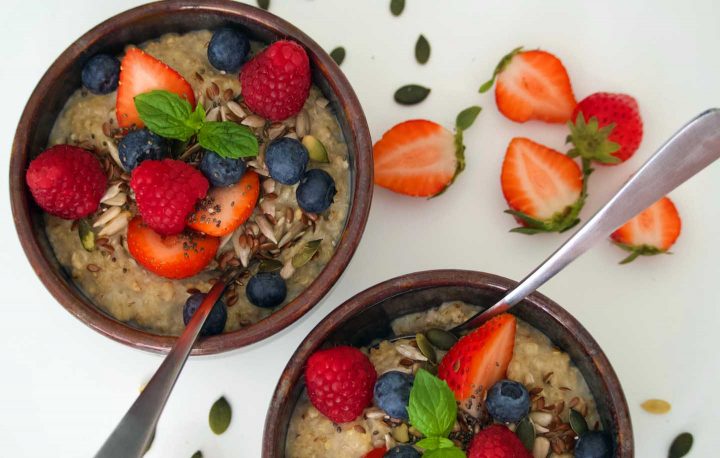
1. Oatmeal

This slow burning breakfast food is the perfect comfort food. It stimulates your brain to produce the feel-good chemical serotonin, which is antagonic to the stress hormone cortisol. Increasing serotonin will help you keep your cortisol level low.

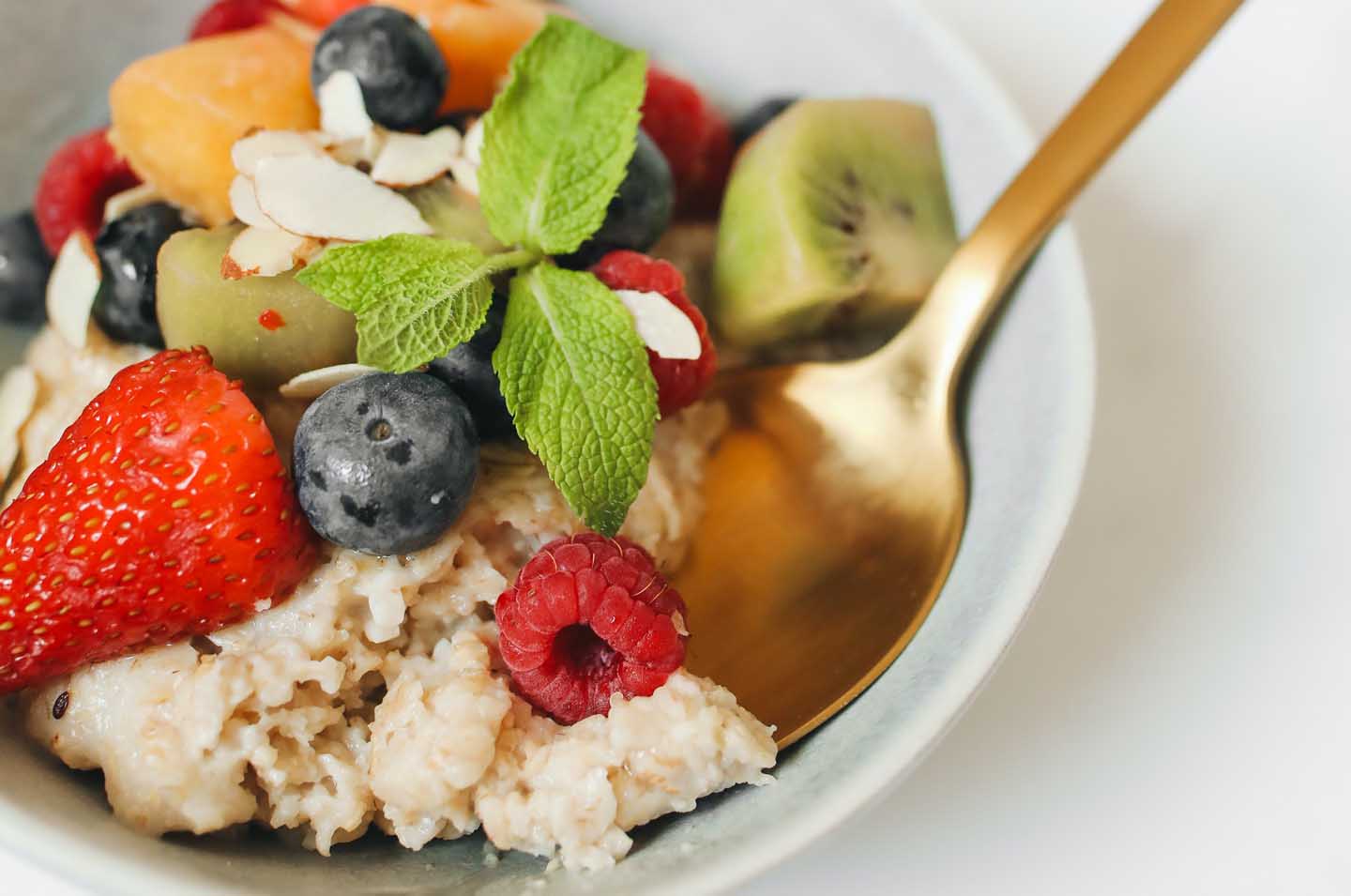
A bowl of oatmeal wit fruits - Photo by Thiea Alhoz from Pexels

The soluble fiber in oatmeal keeps you fuller for longer as it provides a slow burn, maintaining your glucose level more stable throughout the morning. It’s sure to help you stave off stress and stay focused throughout your morning.

When we’re stressed our blood pressure can become elevated. A study published in the American Journal of Clinical Nutrition found that a diet which includes whole grains such as oats can lower blood pressure. Actually, all forms of whole grains like whole wheat bread, brown rice or whole wheat pasta will give you the same kind of benefits.

2. Brazil Nuts

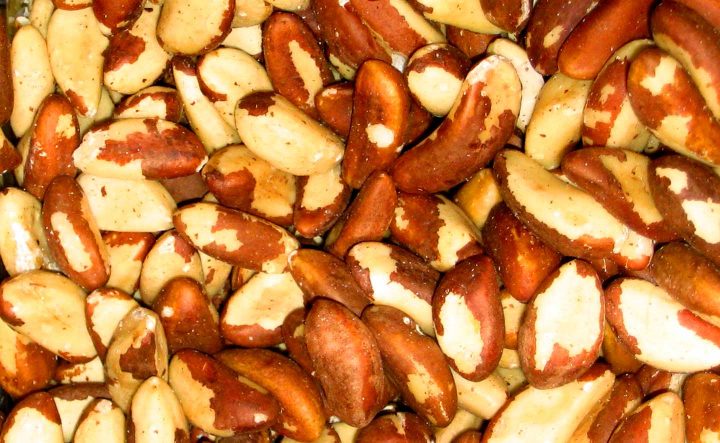
This nut from the Amazon Rainforest is one of the best food sources of selenium. This mineral is an essential element to calm your nerves, alleviate fears, improve your mood and increase your energy levels. Besides that, selenium can help to improve your immune system. It is also important for proper thyroid function, cancer prevention and protects the body in many other ways. A consumption of 3 or 4 nuts will give you an adequate amount of selenium for the day.

Brazil Nuts - Source: Wikipedia

3. Flax Seeds

This superfood is an excellent source of magnesium which may help regulate emotions, alleviate depression, combat fatigue and minimize irritability. Magnesium can also help fight PMS!

Flax seeds contain Omega 3, which is helpful for inhibiting inflammation and is great for cortisol reduction. Furthermore, it may improve mood by helping neurons to communicate with one another. Studies also showed a reduction of anxiety with the consumption of Omega 3.

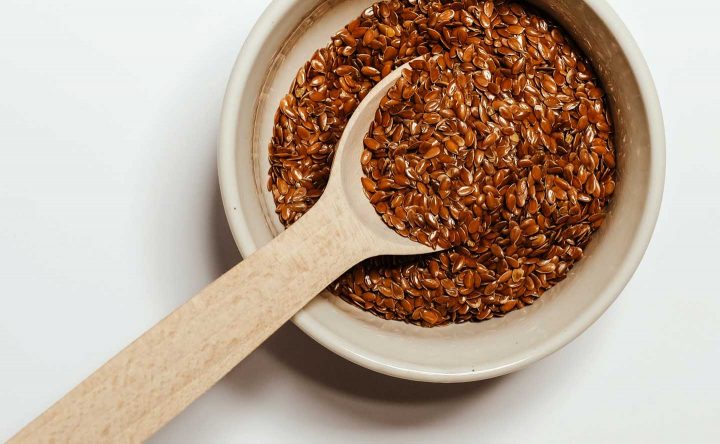
Flaxseed is absorbed best, if you grind the seeds shortly before consumption. It is good to grind only what you consume in 2-3 days. Use a tablespoon daily in your food, over your salad, and in bakeries like bread and cakes. Mix 8 parts of toasted and ground flaxseed with one part of salt, and you have an excellent spicing for your salad plate.

A bowl of flaxseed - Photo by Vie Studio from Pexels

You can also include other omega-3 rich foods in your daily diet such as chia seeds, walnuts, wheat germs, tofu and cauliflower.

4. Citrus Fruits

Instead of reaching for sugary treats during stressful times, why not choose oranges, kiwis, some berries or any citrus fruit? Vitamin C can help slow down your body’s production of cortisol while also quickly clearing it from your bloodstream.

Vitamin C is also beneficial for the prevention of blood pressure spikes that usually occur as part of your body’s response to stress.

Get a good amount of citrus fruits in your diet. Citrus reduces levels of the stress hormone norepinephrine, thus making us feel much better.

5. Garlic

A Japanese study discovered that garlic is effective in reducing cortisol levels. Garlic is also a good source of antioxidants, strengthens the immune system and helps to lower blood pressure.

Garlic has lots of protective phytochemicals. Photo by Nick Collins from Pexels.

6. Microgreens

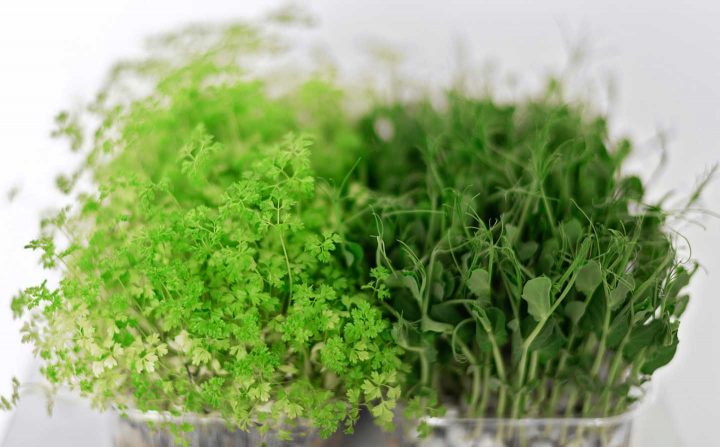
Microgreens are salad greens picked very young, usually soon after the first leaves have formed. The great thing about microgreens is that they contain higher concentrations of stress-busting vitamin C. Young cilantro and baby red cabbages contain up to six times more vitamin C than their mature versions.

If you have the time and space, growing your own microgreens is a good way of bringing nature into your home and of making nutrition just a hand-pick away. If not, they are usually readily available in the produce section of the supermarket, as they are highly sought for their nutritive, taste and garnishing qualities.

Microgreens in a bowl - Photo by Mikhail Nilov from Pexels

7. Cashews

These kidney-shaped nuts are a good source of zinc which is a critical mineral that can help reduce anxiety symptoms such as irritability and lack of focus. Other good sources of zinc are sesame, flax seeds, Brazil nuts, chickpeas and lentils. Cashews are also a source of magnesium which is good for your emotions. You can easily add a few nuts for breakfast, or use them to decorate your salad at lunch.

Conclusion

In recent years science has discovered more and more links between the foods we eat and the way we feel. We have given you seven examples of foods you can add to your diet, that can help you relieve stress and improve your health and wellbeing. Actually, using plenty of plant-based food sources, the way that God has created them, will give you a lot of benefits for your health and mental well-being. Try it out for yourself!

Do you need a guide to help you understand how to cope with Stress in an all inclusive approach? Learn how to combat stress, mentally, physically, emotionally and strategically in your life.

Get Me the Guide

What food do you turn to in times of stress? Share it with us in the comments.

Filed Under: Healthy Lifestyle, Nutrition

Primary Sidebar

Copyright © 2026 Stress Management Tools · Log in