You ever felt jittery after a bout of stress? Do you have stomach cramps, a sudden outburst of pimples on your skin, or your blood pressure suddenly goes through the roof? You should be familiar with the symptoms of stress in your body and recognize when stress is taking its toll on your health.
The body is wonderfully adapted to deal with many challenges, including stress. When we are in a dangerous spot, the body releases a number of hormones that help us to be alert, more energetic, run fast, make some quick decisions and do whatever is needed to face the crisis. When stress is chronic, like the deadlines at work or the debt that is not going away, then stress hormones like cortisol are chronically elevated as well.
Too much cortisol can suppress the immune system, increase blood pressure and sugar, decrease libido, produce acne, cause learning difficulties, lapse of memory, loss of muscle mass, aggravate obesity and much more. If cortisol is chronically elevated, the body is entering into a fatigue state, where the hormone stops to produce the desired effect. This is called glucocorticoid resistance, and will result in chronically elevated cortisol levels, and a body out of control.
The results of chronic stress on your health can be various. Have a close look at the following symptoms, and evaluate how stress is affecting your health.
Heart
As we’ve seen, cortisol constricts blood vessels and increases blood pressure. In addition to that, the stress response increases the clotting factor, preparing the body for faster wound healing in case of injury, but also facilitating the formation of arteriosclerotic plaques.
These plaques adhere to the inside of blood vessel walls, especially at locations where micro vascular damage has occurred, and attempt to “patch” it, resulting in large deposits of this mass along various areas of the blood vessel, which is reducing the blood flow and may eventually block the artery completely. When this happens in the coronary arteries of the heart itself, portions of muscle can die from oxygen starvation, which we call a heart attack. When this blockage happens in the brain, it results in a stroke. A study found that stress increases risks for development of cardiovascular diseases, which include deep venous thrombosis.((Dong, et al. Chronic Stress Facilitates the Development of Deep Venous Thrombosis, DOI:10.1155/2015/384535))
Research shows that employees who are frequently exposed to high levels of work-related stress are at a higher risk of being diagnosed with cardiovascular disease.((Jaskanwal S et.al. Association Between Work‐Related Stress and Coronary Heart Disease: A Review of Prospective Studies Through the Job Strain, Effort‐Reward Balance, and Organizational Justice Models. DOI:https://doi.org/10.1161/JAHA.117.008073)) Stress causes massive depletion of the mineral magnesium, which is essential for muscle relaxation.((Tarasov E A et.al. Magnesium deficiency and stress: Issues of their relationship, diagnostic tests, and approaches to therapy. DOI: 10.17116/terarkh2015879114-122)) Tests have shown that a very large percentage of the adult population are magnesium-deficient, which very likely has a strong correlation to those affected by chronic stress.
As the heart is a muscle it is dependent on adequate magnesium for proper and healthy function. Current research is exploring the possible link between low magnesium levels and heart attacks.
Acute stress, such as may occur to people who are experiencing the sudden death of a loved one, a natural disaster or extreme accident may also lead to stress-induced cardiomyopathy. Thankfully, increased awareness means that professional emotional support is offered far more often than before, with better outcomes for those affected.
Digestive Disorders
Do you feel sometimes like your stomach has been invaded by butterflies? This is a normal reaction to many stressful or fearful circumstances. A regular stomach ache is one of the many symptoms that can be experienced by an individual who is suffering from stress. The digestive system is controlled by the parasympathetic nervous system, which is suppressed during the stress response.
As a result, digestion is compromised, indigestion develops, and the mucosal lining becomes irritated and inflamed. The diminished absorption of nutrients can cause various deficiencies, even while eating well. A study has shown that stress can dramatically change the gut microbiome, increasing the amount of inflammation-promoting bacteria.((Gao X et.al. Chronic stress promotes colitis by disturbing the gut microbiota and triggering immune system response. DOI: 10.1073/pnas.1720696115))
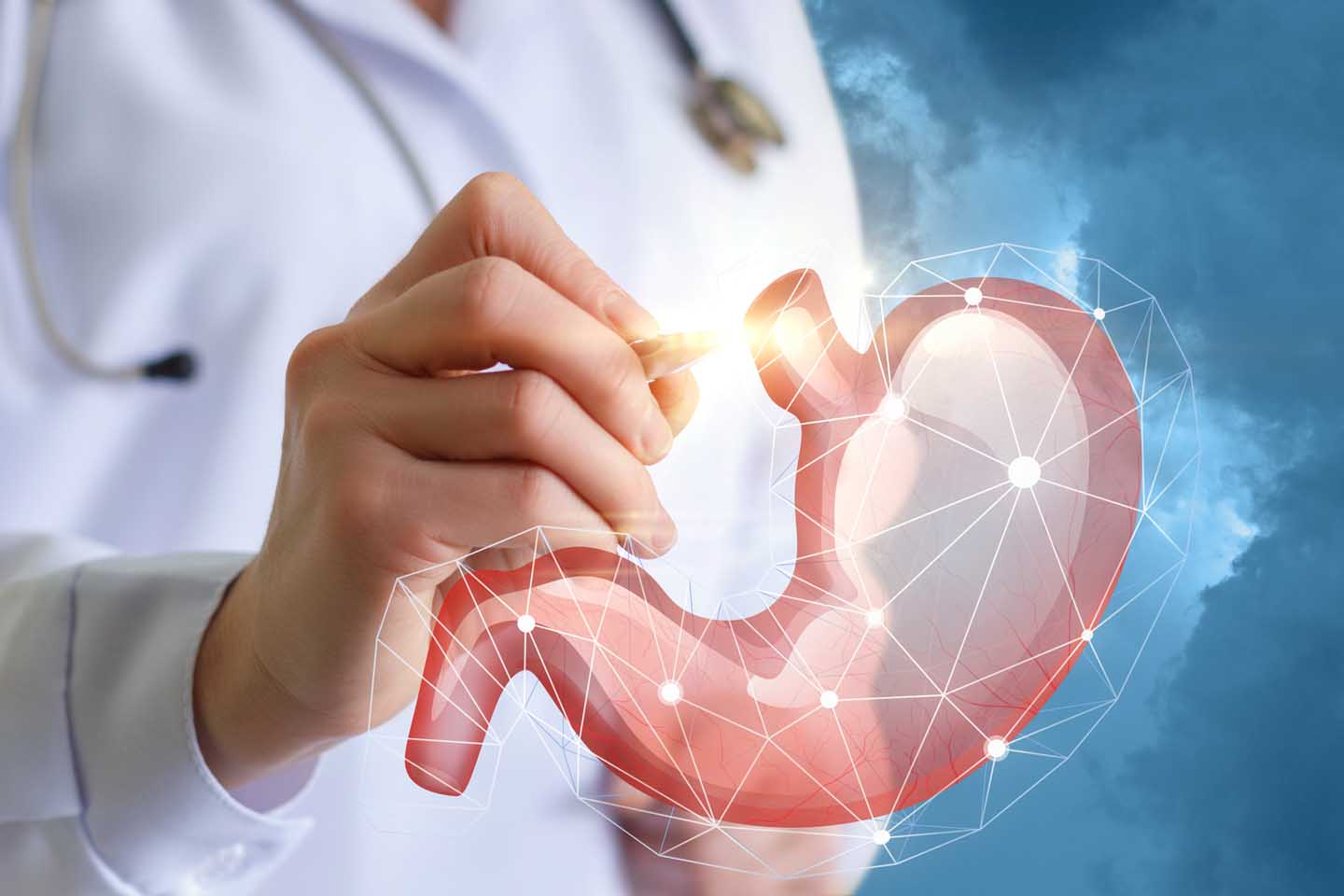
Cortisol stimulates also gastric acid formation. Gastritis and Ulcers are more common during stressful times, and continually feeling pressured can cause poor bowel elimination. If the cause is left unchecked, this could escalate into other gastric problems.
Many cases of gastrointestinal disorders such as diarrhea, constipation, colitis and irritable bowel syndrome have been linked to stress. This shows how our brain and our gut are so interconnected to each other. When you are able to resolve your problems and find that peace of mind, your whole body is going to thank you.
Immune System
It is known that chronic stress with elevated cortisol will reduce various functions of the immune system.((Dragos D et.al. The effect of stress on the defense systems. PMCID: PMC3019042)) As a result you are more susceptible to flus and colds or any other kind of infection. You will also increase your risk for cancer, since your immune system is not at peak performance to control and eliminate abnormal cancer cells.
Stress will have a cumulative effect on the immune system the longer we experience it. Think of the immune system as a firewall; the longer it is down, the greater the chances that some sort of infection can take hold of us and complicate our recovery.
Skin
Psoriasis, eczema, and other skin inflammations are often linked to prolonged exposure to stress. In most cases of skin diseases that have been brought on by stress, reducing stress levels have also been found to rapidly improve a person’s skin condition.
Chronic exposure to stress can lead to the overproduction of the sex hormone androgen, resulting in acne and other skin problems.

Stress causes excessive hormone production combined with a reduced healing ability, meaning you may experience the same types of skin problems you did as a teenager.
Hair
While hair loss can be a sign of other conditions, it can also be one of the most common symptoms of stress. Hair loss will be most likely to happen three to six months after a traumatic experience such as losing a loved one or losing a job.
When a person is exposed to highly-stressful events their androgen hormone production will be imbalanced, possibly resulting in temporary hair loss. Sticking to a balanced diet is important at times of high stress, to give the body every possible assistance for healing and repair.
You may often hear people say that stress is turning their hair gray. Stress can speed up this process especially if you are already genetically predisposed to having gray hair. During periods of prolonged stress, an individual’s white blood cells may attack their hair follicles thereby putting a halt to hair growth which is also called a “resting phase”. This gets visible when much hair is lost when being washed or combed.
Menstrual Cycle Problems
Missed and delayed periods can be a sign of stress in women. In severe cases, some women may suffer a complete stop of the menstrual cycle.
Other women still experience regular menstrual periods but many complain of dysmenorrhea that is twice as painful when they’re feeling excessive stress, and Pre Menstrual Symptoms may get worse or become more difficult to deal with.
Women with overly hectic and busy lives, filled with demands that promote chronic stress may feel a loss of sexual drive. And those who pass through menopause may feel an increase in intensity and frequency of hot flashes.
Decreased Libido
Elevated cortisol relating to prolonged stress, can lend itself to impotence and erectile dysfunction. Furthermore, the androgenic sex hormones are produced in the same glands as cortisol and epinephrine, so excess cortisol production may hamper the optimal production of these sex hormones.
It is common for people who are under a great deal of stress or feeling exhausted to have no desire in the bedroom. This can be frustrating for your partner as well. If you are suffering from a general lack of libido possibly caused by stress, it is essential to talk openly with your partner so that they can lend you a sympathetic ear and not take it personally.
Muscle Tightness
Tensed muscles are common indications of stress. This can further lead to muscle spasms which can cause great pain. Stress causes magnesium depletion in the body and without magnesium the muscles cannot relax, putting them in a state of near-constant contraction. Tense muscles can lead to migraines and tension headaches that are linked to muscle tension of the neck, head and shoulders.
Increased Cortisol levels will tend to activate an inflammatory response, causing sore muscles, aches and pains in the body. Prolonged muscle tension and possible subsequent muscle atrophy from a lack of physical activity, promote chronic, stress-related musculoskeletal conditions. Relief comes through exercise, massage, muscle relaxation exercises and adequate vitamin and mineral intake.
Pancreas, Diabetes and Obesity
People who are chronically stressed have a high tendency to indulge in sugary, feel-good foods. Also, increased cortisol levels will raise the blood glucose levels, causing difficulties especially for diabetics.
Cortisol will activate the transformation of fat into glucose. This is why stress makes it hard for diabetics to control blood glucose levels. Once the excessive glucose is not used for exercise, it will be transformed back into fat and stored in the visceral fat cells. This resuts in the dreaded belly fat that is not only unsightly but is another major health risk that can shorten your life span. On top of that, excessive cortisol levels can cause cravings for sweet, high-fat, and salty foods. Obesity in turn will increase the risk of developing diabetes.

Metabolic Syndrome
Chronic stress can increase blood pressure, glucose levels, cholesterol, triglycerides and weight gain, all of the factors involved in the metabolic syndrome.
One study found that “there is a dose-response relationship between exposure to work stressors over 14 years and risk of the metabolic syndrome, independent of other relevant risk factors.” The final results found that “employees with chronic work stress were more than twice as likely to have metabolic syndrome as compared with those subjects with without work stress.”((Chandola, et al. Chronic stress at work and the metabolic syndrome: prospective study, BMJ 2006; 332 doi: https://doi.org/10.1136/bmj.38693.435301.80))
Conclusion
We have seen that stress can compromise our health in various ways. If you experience one or several of those warning signs, you should take action to get your stress under control. In chronic stress we need to take action to decrease our cortisol levels, which can be achieved in two ways:
- Firstly – by reducing the stress that is the root cause of the problem, either by eliminating the stressors, or by improving the ability to cope with them. A reduced emotional response to any stressor will mean less cortisol release.
- Secondly – there are known lifestyle and dietary ‘hacks’ that assist the mind and body to reduce the release of cortisol into the system. Some bad habits can though increase cortisol production.
If you need some tips on how to achieve both of this approaches, download our Ten Minute Guide to Stress Management and start beating your stress with efficient strategies that put you into control of your life. Download your copy now!
Do you need a guide to help you understand how to cope with Stress in an all inclusive approach? Learn how to combat stress, mentally, physically, emotionally and strategically in your life.