Stress Management Tools

Helps You to get Stress under Control

  • Home
  • About
  • Blog
  • The Program
  • Free Offer
  • Contact
You are here: Home / Archives for Results of Stress / Health Concerns

Health Concerns

6 Symptoms of Chronic Stress to Be Aware Of

April 9, 2023 by Martin Neumann

Are you suffering from stress? Everyone has moments of stress from time to time, such as when you’re stuck in traffic, or you have a hard day at the office. But, for some people, stress can also become a serious issue.
6 Symptoms of Chronic Stress to Be Aware Of

Expose yourself to too much chronic stress and you’re putting yourself at significant risk of a range of health challenges. In fact, experts say that stress is directly connected to many of the main causes of premature death.((https://www.miamiherald.com/living/article1961770.html))

The good news is that there are numerous ways you can begin to manage your stress. However, before you get started, it’s important to be able to recognize the symptoms of stress.

Be aware of these red flags:

  1. Tooth or jaw pain. Yes, stress does affect your teeth, more than you might think. If you’ve noticed soreness in your jaw or pain in your gums, then it might be because you’re dealing with feelings of stress.((https://www.guardiandirect.com/dental-care/6-ways-stress-affects-teeth))
    • Grinding your teeth is often something that you may not even realize you’ve been doing until you get to the dentist, and they berate you for signs of bruxism.
    • Grinding and tensions resulting from stress can cause extra strain and soreness in your jaw. If you do notice signs of discomfort in your jaw, check with your dentist to ensure that you’re doing everything you can to protect your teeth.
  2. Your memory is getting worse. As your schedule becomes more overwhelming, and you end up with more things to think about each day, it’s easy to brush off issues with forgetfulness. However, if your memory is really letting you down lately, it could be because of stress.
    • High levels of cortisol can impair the function of the hippocampus, a brain region crucial for memory fixation. Prolonged stress can even cause a shrinkage of the hippocampus.
    • Paying attention to where you lose track of your train of thought could show you where you have too much on your plate. It might be time to slow down.
  3. Your digestion isn’t right. Digestive health and stress are closely connected. You might have noticed during stressful periods in the past that you tend to have challenges with heartburn, diarrhea, and constipation. These are all common gastrointestinal symptoms of stress.((https://www.health.harvard.edu/diseases-and-conditions/the-gut-brain-connection))
    • Your stomach will often churn and feel uncomfortable when you’re stressed because feelings of anxiety cause the body to produce additional digestive acid, which can lead to stomach ulcers.
    • Stress can make your intestines more sluggish. That can easily lead to constipation.

A man sitting at the toilet because of constipation
  1. You’re always thirsty. If you’re constantly suffering from a major thirst, it’s worth speaking to a doctor. Excessive thirst can be a sign of things like diabetes. However, you could also be dehydrated because of excess stress.
    • First of all, increased cortisol levels will make your blood glucose levels rise, which causes dehydration since the body tries to flush out the extra glucose through the urine.
    • Cortisol is produced by the adrenal glands, which are responsible as well to produce hormones that regulate the fluid levels in your body. If you suffer chronic stress, it can easily wear out your adrenal glands and cause a number of hormonal imbalances.
    • Although upping your H2O intake shouldn’t cause any problems, it’s still a sign of a long-term problem that’s important to rectify.
  2. Your muscles are sore. Sore muscles often happen as a result of tension. If you’re under a ton of stress, your body responds by involuntarily tensing up. This can gradually lead to more body pain over time, because your muscles aren’t used to being under that much strain.
    • Excessive cortisol during chronic stress will increase muscle tightness.
    • The same way you suffer from soreness from grinding your teeth, you could experience soreness elsewhere in your body because you’re placing more pressure on your muscles. A good massage or a hot bath might help in the shorter term, but eventually you’ll need to tackle the root cause of your stress.
  3. Your sleep is messed up. If you’re having trouble with falling asleep at night, it could be because stress is making it harder for you to relax.
    • It’s likely that you spend a lot of time thinking about the things that worry you when you’re in bed.
    • If you suffer from insomnia, you will wake up tired the next morning, which increases your stress hormones and easily drives you into a vicious cycle.
    • You might also notice that you’re having more odd dreams because of your stress.
    • On the other hand, some people experience a desire to sleep more often when they’re stressed. This could be an indication that you’re not just suffering from stress, but that you’re having issues with anxiety and depression too. Consider speaking to your doctor about these issues, who should be able to offer some personalized guidance.  

As you can see, it’s critical to your health and wellbeing that you learn to relieve stress. Make it a priority to take care of yourself by reducing your stress. And if you see those warning signs coming up that stress is getting out of control, you need to take immediate action to implement a successful stress management plan. Check out the Stress Management Tools to see how the program can help you to get stress under control.
Filed Under: Health Concerns, Results of Stress

Stress and Your Health

May 20, 2021 by Martin Neumann

Stress and Your Health

You ever felt jittery after a bout of stress? Do you have stomach cramps, a sudden outburst of pimples on your skin, or your blood pressure suddenly goes through the roof? You should be familiar with the symptoms of stress in your body and recognize when stress is taking its toll on your health.

Stress and Your Health

The body is wonderfully adapted to deal with many challenges, including stress. When we are in a dangerous spot, the body releases a number of hormones that help us to be alert, more energetic, run fast, make some quick decisions and do whatever is needed to face the crisis. When stress is chronic, like the deadlines at work or the debt that is not going away, then stress hormones like cortisol are chronically elevated as well.

Too much cortisol can suppress the immune system, increase blood pressure and sugar, decrease libido, produce acne, cause learning difficulties, lapse of memory, loss of muscle mass, aggravate obesity and much more. If cortisol is chronically elevated, the body is entering into a fatigue state, where the hormone stops to produce the desired effect. This is called glucocorticoid resistance, and will result in chronically elevated cortisol levels, and a body out of control.

The results of chronic stress on your health can be various. Have a close look at the following symptoms, and evaluate how stress is affecting your health.

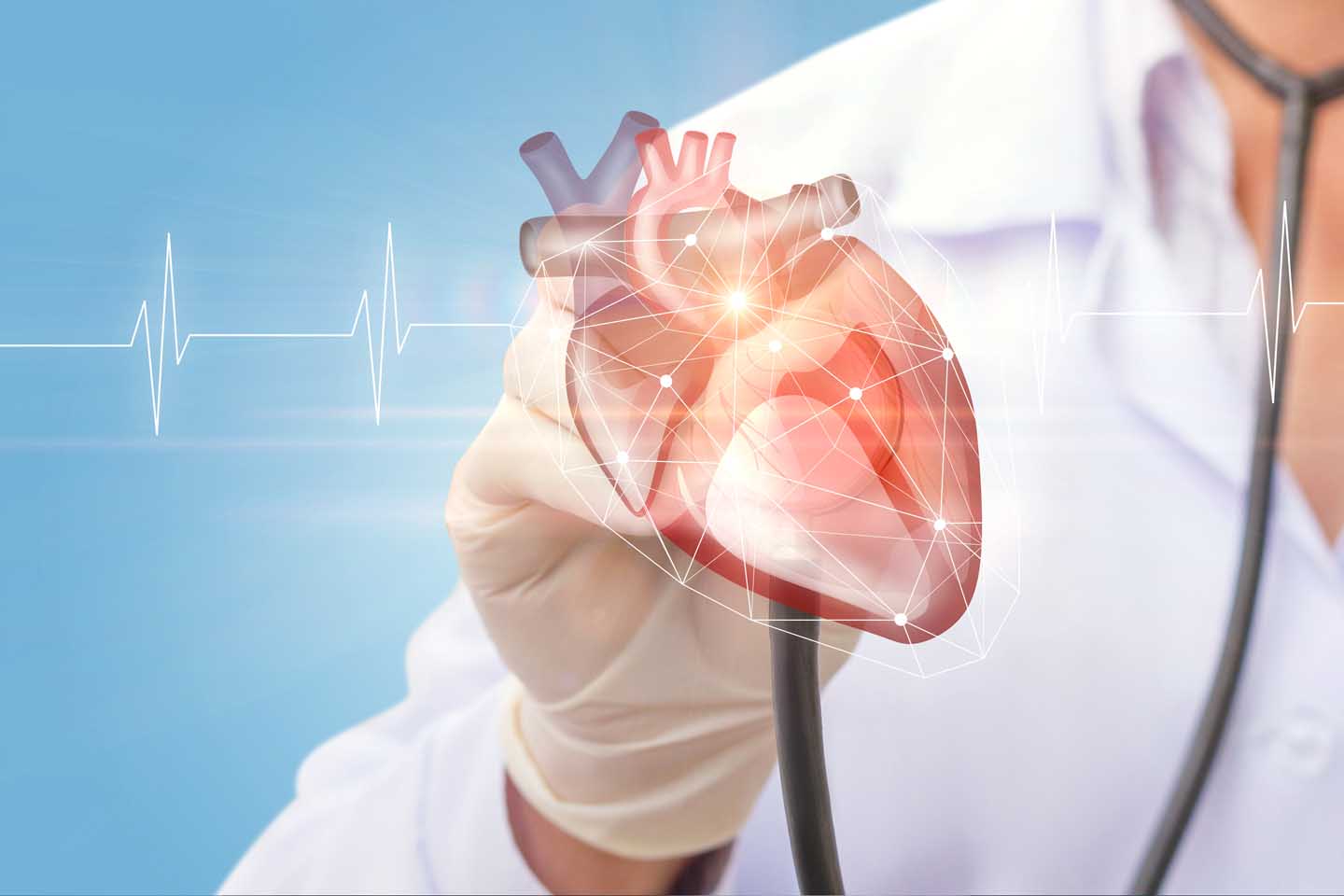
Heart

As we’ve seen, cortisol constricts blood vessels and increases blood pressure. In addition to that, the stress response increases the clotting factor, preparing the body for faster wound healing in case of injury, but also facilitating the formation of arteriosclerotic plaques.

These plaques adhere to the inside of blood vessel walls, especially at locations where micro vascular damage has occurred, and attempt to “patch” it, resulting in large deposits of this mass along various areas of the blood vessel, which is reducing the blood flow and may eventually block the artery completely. When this happens in the coronary arteries of the heart itself, portions of muscle can die from oxygen starvation, which we call a heart attack. When this blockage happens in the brain, it results in a stroke. A study found that stress increases risks for development of cardiovascular diseases, which include deep venous thrombosis.((Dong, et al. Chronic Stress Facilitates the Development of Deep Venous Thrombosis, DOI:10.1155/2015/384535))

Examining the heart

Research shows that employees who are frequently exposed to high levels of work-related stress are at a higher risk of being diagnosed with cardiovascular disease.((Jaskanwal S et.al. Association Between Work‐Related Stress and Coronary Heart Disease: A Review of Prospective Studies Through the Job Strain, Effort‐Reward Balance, and Organizational Justice Models. DOI:https://doi.org/10.1161/JAHA.117.008073)) Stress causes massive depletion of the mineral magnesium, which is essential for muscle relaxation.((Tarasov E A et.al. Magnesium deficiency and stress: Issues of their relationship, diagnostic tests, and approaches to therapy. DOI: 10.17116/terarkh2015879114-122)) Tests have shown that a very large percentage of the adult population are magnesium-deficient, which very likely has a strong correlation to those affected by chronic stress.

As the heart is a muscle it is dependent on adequate magnesium for proper and healthy function. Current research is exploring the possible link between low magnesium levels and heart attacks.

Acute stress, such as may occur to people who are experiencing the sudden death of a loved one, a natural disaster or extreme accident may also lead to stress-induced cardiomyopathy. Thankfully, increased awareness means that professional emotional support is offered far more often than before, with better outcomes for those affected.

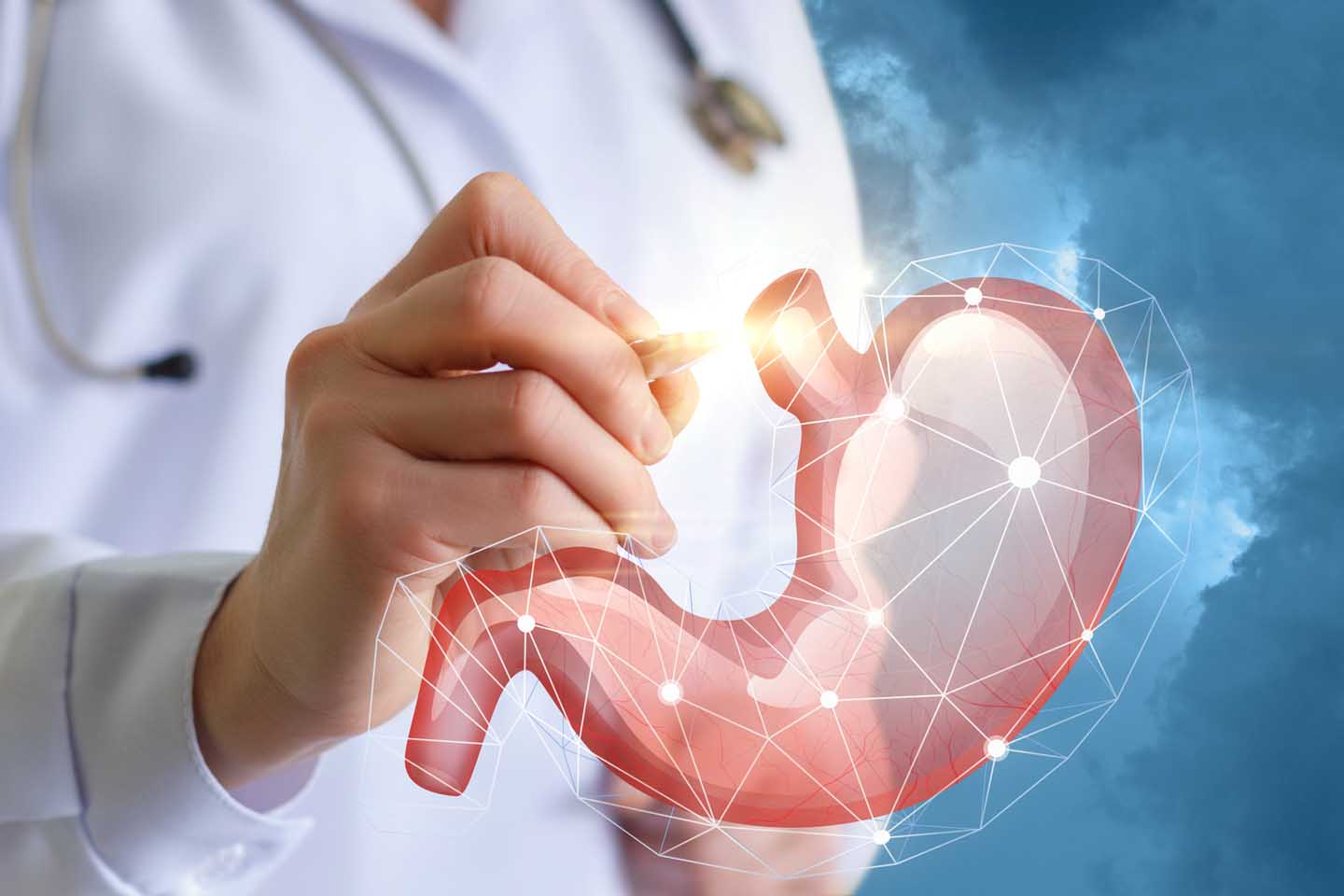
Digestive Disorders

Do you feel sometimes like your stomach has been invaded by butterflies? This is a normal reaction to many stressful or fearful circumstances. A regular stomach ache is one of the many symptoms that can be experienced by an individual who is suffering from stress. The digestive system is controlled by the parasympathetic nervous system, which is suppressed during the stress response.

As a result, digestion is compromised, indigestion develops, and the mucosal lining becomes irritated and inflamed. The diminished absorption of nutrients can cause various deficiencies, even while eating well. A study has shown that stress can dramatically change the gut microbiome, increasing the amount of inflammation-promoting bacteria.((Gao X et.al. Chronic stress promotes colitis by disturbing the gut microbiota and triggering immune system response. DOI: 10.1073/pnas.1720696115))

Treating the stomach

Cortisol stimulates also gastric acid formation. Gastritis and Ulcers are more common during stressful times, and continually feeling pressured can cause poor bowel elimination. If the cause is left unchecked, this could escalate into other gastric problems.

Many cases of gastrointestinal disorders such as diarrhea, constipation, colitis and irritable bowel syndrome have been linked to stress. This shows how our brain and our gut are so interconnected to each other. When you are able to resolve your problems and find that peace of mind, your whole body is going to thank you.

Immune System

It is known that chronic stress with elevated cortisol will reduce various functions of the immune system.((Dragos D et.al. The effect of stress on the defense systems. PMCID: PMC3019042)) As a result you are more susceptible to flus and colds or any other kind of infection. You will also increase your risk for cancer, since your immune system is not at peak performance to control and eliminate abnormal cancer cells.

Stress will have a cumulative effect on the immune system the longer we experience it. Think of the immune system as a firewall; the longer it is down, the greater the chances that some sort of infection can take hold of us and complicate our recovery.

Skin

Psoriasis, eczema, and other skin inflammations are often linked to prolonged exposure to stress. In most cases of skin diseases that have been brought on by stress, reducing stress levels have also been found to rapidly improve a person’s skin condition.

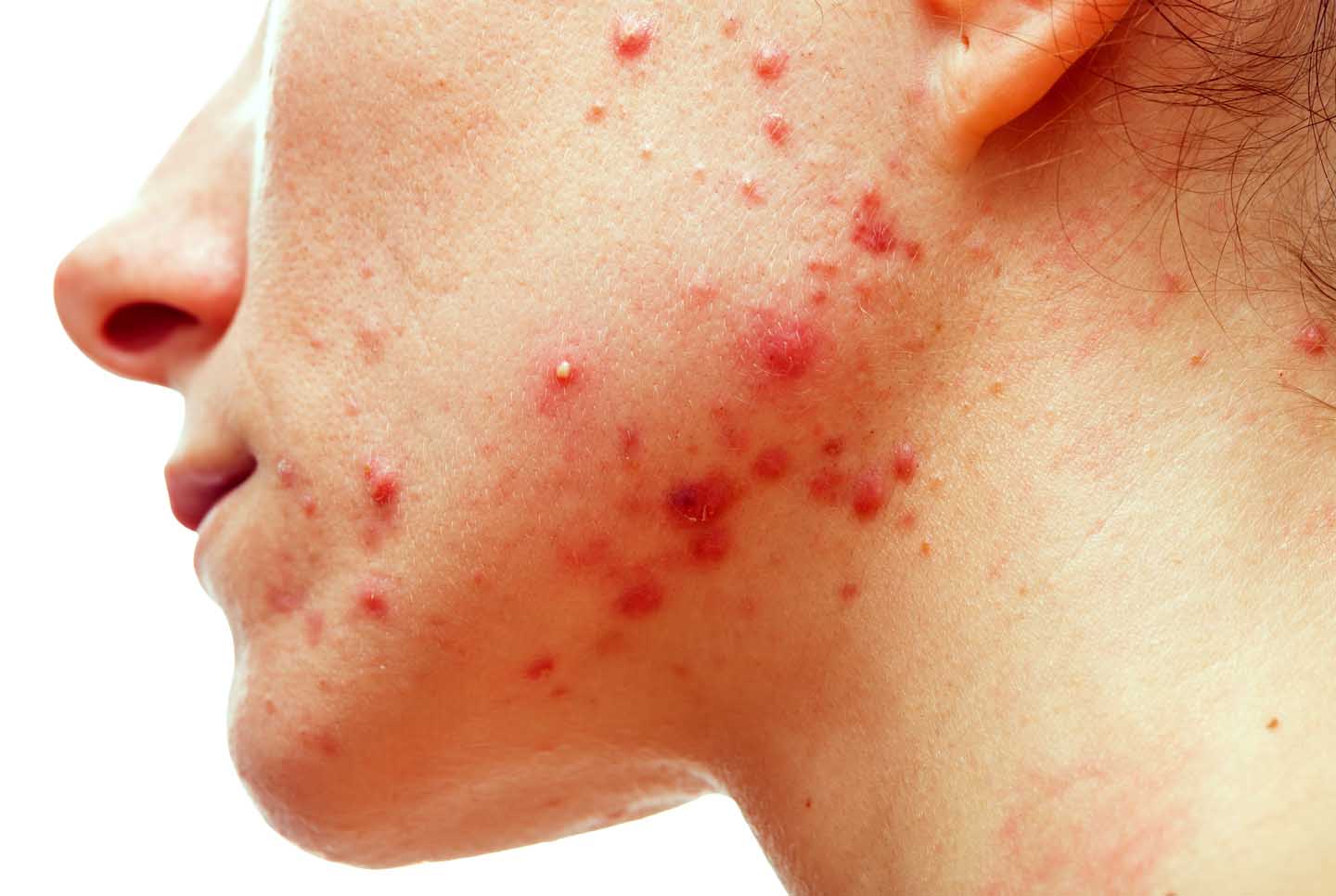
Chronic exposure to stress can lead to the overproduction of the sex hormone androgen, resulting in acne and other skin problems.

Akne

Stress causes excessive hormone production combined with a reduced healing ability, meaning you may experience the same types of skin problems you did as a teenager.

Hair

While hair loss can be a sign of other conditions, it can also be one of the most common symptoms of stress. Hair loss will be most likely to happen three to six months after a traumatic experience such as losing a loved one or losing a job. 

When a person is exposed to highly-stressful events their androgen hormone production will be imbalanced, possibly resulting in temporary hair loss. Sticking to a balanced diet is important at times of high stress, to give the body every possible assistance for healing and repair.

You may often hear people say that stress is turning their hair gray.  Stress can speed up this process especially if you are already genetically predisposed to having gray hair. During periods of prolonged stress, an individual’s white blood cells may attack their hair follicles thereby putting a halt to hair growth which is also called a “resting phase”. This gets visible when much hair is lost when being washed or combed.

Menstrual Cycle Problems

Missed and delayed periods can be a sign of stress in women. In severe cases, some women may suffer a complete stop of the menstrual cycle.

Other women still experience regular menstrual periods but many complain of dysmenorrhea that is twice as painful when they’re feeling excessive stress, and Pre Menstrual Symptoms may get worse or become more difficult to deal with.

Women with overly hectic and busy lives, filled with demands that promote chronic stress may feel a loss of sexual drive. And those who pass through menopause may feel an increase in intensity and frequency of hot flashes.

Decreased Libido

Elevated cortisol relating to prolonged stress, can lend itself to impotence and erectile dysfunction. Furthermore, the androgenic sex hormones are produced in the same glands as cortisol and epinephrine, so excess cortisol production may hamper the optimal production of these sex hormones.

It is common for people who are under a great deal of stress or feeling exhausted to have no desire in the bedroom. This can be frustrating for your partner as well. If you are suffering from a general lack of libido possibly caused by stress, it is essential to talk openly with your partner so that they can lend you a sympathetic ear and not take it personally.

Muscle Tightness

Tensed muscles are common indications of stress. This can further lead to muscle spasms which can cause great pain. Stress causes magnesium depletion in the body and without magnesium the muscles cannot relax, putting them in a state of near-constant contraction. Tense muscles can lead to migraines and tension headaches that are linked to muscle tension of the neck, head and shoulders.

Increased Cortisol levels will tend to activate an inflammatory response, causing sore muscles, aches and pains in the body. Prolonged muscle tension and possible subsequent muscle atrophy from a lack of physical activity, promote chronic, stress-related musculoskeletal conditions. Relief comes through exercise, massage, muscle relaxation exercises and adequate vitamin and mineral intake.

Pancreas, Diabetes and Obesity

People who are chronically stressed have a high tendency to indulge in sugary, feel-good foods. Also, increased cortisol levels will raise the blood glucose levels, causing difficulties especially for diabetics.

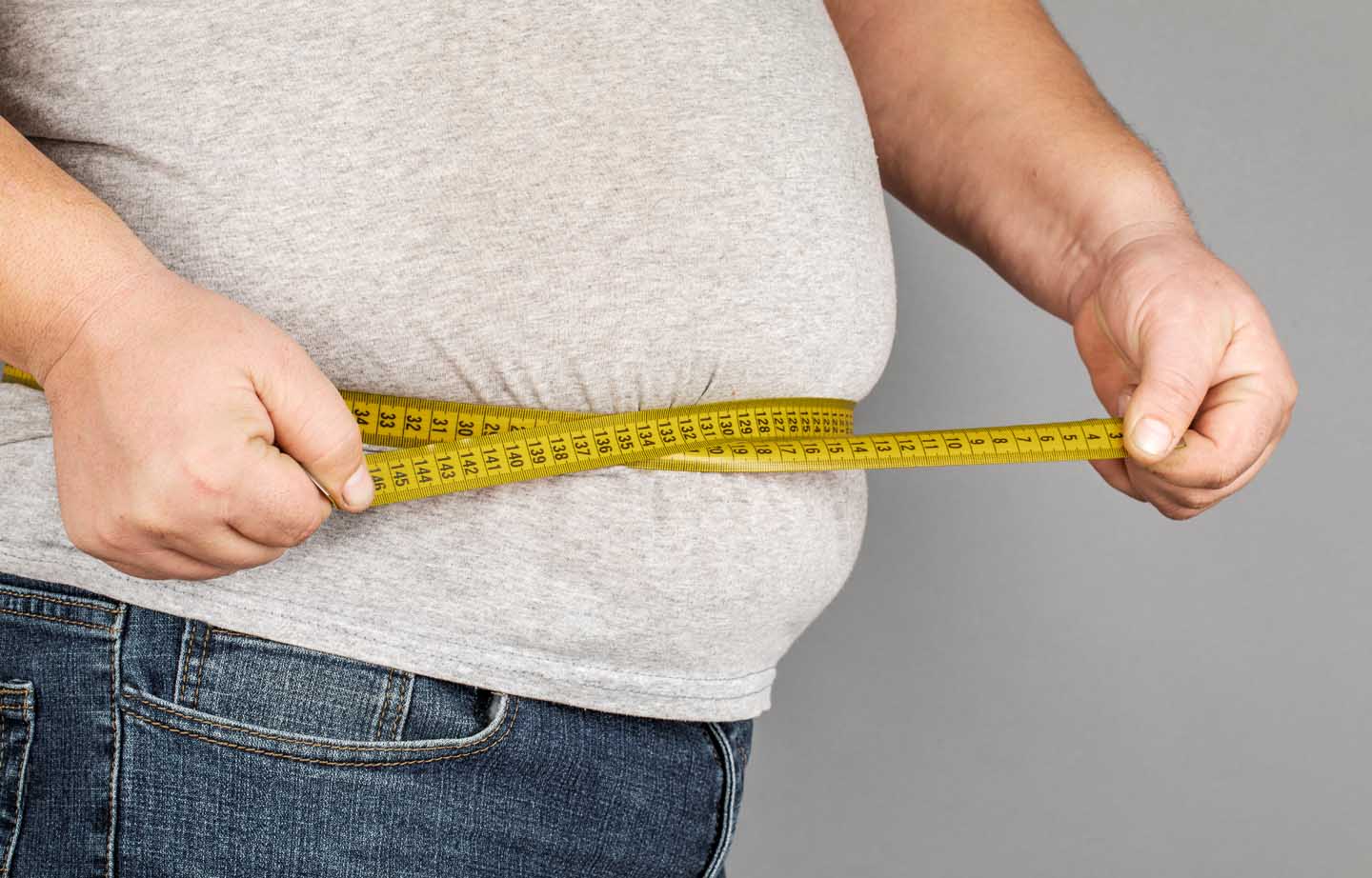
Cortisol will activate the transformation of fat into glucose. This is why stress makes it hard for diabetics to control blood glucose levels. Once the excessive glucose is not used for exercise, it will be transformed back into fat and stored in the visceral fat cells. This resuts in the dreaded belly fat that is not only unsightly but is another major health risk that can shorten your life span. On top of that, excessive cortisol levels can cause cravings for sweet, high-fat, and salty foods. Obesity in turn will increase the risk of developing diabetes.

An obese man

Metabolic Syndrome

Chronic stress can increase blood pressure, glucose levels, cholesterol, triglycerides and weight gain, all of the factors involved in the metabolic syndrome.

One study found that “there is a dose-response relationship between exposure to work stressors over 14 years and risk of the metabolic syndrome, independent of other relevant risk factors.” The final results found that “employees with chronic work stress were more than twice as likely to have metabolic syndrome as compared with those subjects with without work stress.”((Chandola, et al. Chronic stress at work and the metabolic syndrome: prospective study, BMJ 2006; 332 doi: https://doi.org/10.1136/bmj.38693.435301.80))

Conclusion

We have seen that stress can compromise our health in various ways. If you experience one or several of those warning signs, you should take action to get your stress under control. In chronic stress we need to take action to decrease our cortisol levels, which can be achieved in two ways:

  • Firstly – by reducing the stress that is the root cause of the problem, either by eliminating the stressors, or by improving the ability to cope with them. A reduced emotional response to any stressor will mean less cortisol release.
  • Secondly – there are known lifestyle and dietary ‘hacks’ that assist the mind and body to reduce the release of cortisol into the system. Some bad habits can though increase cortisol production.

If you need some tips on how to achieve both of this approaches, download our Ten Minute Guide to Stress Management and start beating your stress with efficient strategies that put you into control of your life. Download your copy now!

Do you need a guide to help you understand how to cope with Stress in an all inclusive approach? Learn how to combat stress, mentally, physically, emotionally and strategically in your life.

Get Me the Guide

Filed Under: Health Concerns, Physiology, Results of Stress

What Symptoms does Stress Cause in Your Life?

July 19, 2020 by Martin Neumann

Symptoms of Stress

You know how life goes. There’s always something that interrupts your plans and it happens on the day when you can least afford to encounter a stressor. You might be on your way to work because you have to go over a project with your boss before the client gets there for a scheduled appointment. But the next thing you know, you’re trapped in a traffic jam. There’s no way around it and you can’t turn back. You’re just stuck. When this happens, your body reacts and floods your system with stress hormones. And the symptoms your body will manifest can be manifold.

What Symptoms does Stress Cause in Your Life?

The reaction from your body is based on the fight or flight response and it’s meant to be a help to you. However, when the situation isn’t life or death, this response isn’t needed.

When this is an occasional circumstance where you get a flood or stress hormones, it’s not a big deal. But when you don’t know the right coping techniques for stress, your body is constantly getting this flood of hormones, and this constant cycle of having a stress response within the body wreaks havoc on your physical health.

Over time, the overuse of your stress hormone starts to take a toll on your immune system. A part of the immunity army is known as natural killer cells. These are designed to battle against serious conditions such as cancer, but these cells are also designed to fight things like bacterial or viral illnesses.

They work to protect your body. Stress weakens the ability of these cells to work the way that they’re supposed to, leaving you with little protection so you’re constantly catching whatever is going around.

It’s not just illnesses that you’ll face more often when you fail to break your stress addiction. You’ll be at a higher risk for developing conditions that are related to stress such as diabetes. When you get stressed, it raises your glucose level – even if you don’t have the disease.

Stress can make you more likely to have a heart attack because when you’re stressed, your blood pressure goes up. The flood of stress hormones that you get are supposed to temporarily narrow your blood vessels. But when you’re dealing with chronic stress, these blood vessels can be constantly narrowed, which restricts blood flow and oxygen to the heart. In addition to that, the stress response increases the clotting factor, facilitating the formation of arteriosclerotic plaques. This can result in a heart attack or stroke.

When you’re stressed, it can also affect your digestive health. You can develop nausea, stomach cramps and suffer from diarrhea or constipation. You can also suffer from heartburn.

People who are addicted to stress can develop reproductive problems. Women might skip a monthly cycle or they might notice that their periods last longer, while men can experience lower levels of testosterone, which is linked with impotence. 

Mental Concerns

But it’s not just your physical health that will show the signs of stress. You can also struggle with mental health. For many people, prolonged exposure to stress can cause depression.

This happens because the stress hormones linger, and you don’t get that break from them that you’re normally supposed to get. It’s common for stress to have an impact on your emotions and when you constantly get that flood of stress hormones, it brings out negative feelings such as grief, which can lead to depression.

Anxiety is another consequence of not dealing with a chronic stress. You don’t have to have an anxiety disorder to develop anxiety. This is something that happens as a result of whatever stress you have in your life.

When you have anxiety, it can show up as both physical and emotional symptoms. When it has to do with your mental health, the anxiety that you experience usually reveals itself through a feeling of dread.

You might feel nervous at random times or consistently. Sometimes anxiety can show up as feeling like something is just off. You feel wary. This mental reaction can happen whenever you’re about to face a certain situation or when you think about that situation.

It can also happen because you fear the results of a situation. When stress is what’s behind your anxiety, then what you’re experiencing lingers and doesn’t just go away. Not dealing with stress can also lead to panic attacks.

A panic attack is what happens when you get a feeling of overwhelming fear or you experience a deep anxiety. Many people who have stress and develop panic attacks have these because of something in the past that they haven’t dealt with, or something that they’re afraid of that might occur in the future.

A panic attack is a sense of impending doom, even if nothing bad is going on at the moment or they’re not in any danger. When a panic attack disrupts your daily routine and you have difficulty being able to carry on, this is a severe episode and may need professional treatment.

Stress can manifest itself in many different ways. If you experience one of those symptoms of stress in your life, it is time to act and develop better coping skills to get your stress under control. Because uncontrolled chronic stress can cause havoc in your life in so many different ways.

Do you need a guide to help you understand how to cope with Stress in an all inclusive approach? Learn how to combat stress, mentally, physically, emotionally and strategically in your life.

Get Me the Guide

Filed Under: Health Concerns, Results of Stress

Stress Can Cause Chronic Headaches

March 1, 2017 by Martin Neumann

Stressed Businessman

Do you seem to get headaches frequently? Not migraine headaches that incapacitate you, but common headaches that creep up on you and ruin your day. Stop looking for another pill to pop and try to identify the source of these headaches, which may be brought on by stress.

[Read more…] about Stress Can Cause Chronic Headaches

Filed Under: Health Concerns

Is Your Migraine Headache caused by Stress?

February 23, 2017 by Martin Neumann

Tension headaches can be caused by stress-induced insomnia / Photo by Andrea Piacquadio from Pexels
Tension headaches

A migraine headache sufferer will confirm that there are few pains worse or more long lasting than that feeling of total malaise that comes with a migraine. It’s a sneaky headache that just seems to slap you down when you least expect it, but often in times of extreme stress and anxiety.

[Read more…] about Is Your Migraine Headache caused by Stress?

Filed Under: Health Concerns

Primary Sidebar

Copyright © 2026 Stress Management Tools · Log in