Stress Management Tools

Helps You to get Stress under Control

  • Home
  • About
  • Blog
  • The Program
  • Free Offer
  • Contact
You are here: Home / Archives for Results of Stress

Results of Stress

6 Symptoms of Chronic Stress to Be Aware Of

April 9, 2023 by Martin Neumann

Are you suffering from stress? Everyone has moments of stress from time to time, such as when you’re stuck in traffic, or you have a hard day at the office. But, for some people, stress can also become a serious issue.
6 Symptoms of Chronic Stress to Be Aware Of

Expose yourself to too much chronic stress and you’re putting yourself at significant risk of a range of health challenges. In fact, experts say that stress is directly connected to many of the main causes of premature death.((https://www.miamiherald.com/living/article1961770.html))

The good news is that there are numerous ways you can begin to manage your stress. However, before you get started, it’s important to be able to recognize the symptoms of stress.

Be aware of these red flags:

  1. Tooth or jaw pain. Yes, stress does affect your teeth, more than you might think. If you’ve noticed soreness in your jaw or pain in your gums, then it might be because you’re dealing with feelings of stress.((https://www.guardiandirect.com/dental-care/6-ways-stress-affects-teeth))
    • Grinding your teeth is often something that you may not even realize you’ve been doing until you get to the dentist, and they berate you for signs of bruxism.
    • Grinding and tensions resulting from stress can cause extra strain and soreness in your jaw. If you do notice signs of discomfort in your jaw, check with your dentist to ensure that you’re doing everything you can to protect your teeth.
  2. Your memory is getting worse. As your schedule becomes more overwhelming, and you end up with more things to think about each day, it’s easy to brush off issues with forgetfulness. However, if your memory is really letting you down lately, it could be because of stress.
    • High levels of cortisol can impair the function of the hippocampus, a brain region crucial for memory fixation. Prolonged stress can even cause a shrinkage of the hippocampus.
    • Paying attention to where you lose track of your train of thought could show you where you have too much on your plate. It might be time to slow down.
  3. Your digestion isn’t right. Digestive health and stress are closely connected. You might have noticed during stressful periods in the past that you tend to have challenges with heartburn, diarrhea, and constipation. These are all common gastrointestinal symptoms of stress.((https://www.health.harvard.edu/diseases-and-conditions/the-gut-brain-connection))
    • Your stomach will often churn and feel uncomfortable when you’re stressed because feelings of anxiety cause the body to produce additional digestive acid, which can lead to stomach ulcers.
    • Stress can make your intestines more sluggish. That can easily lead to constipation.
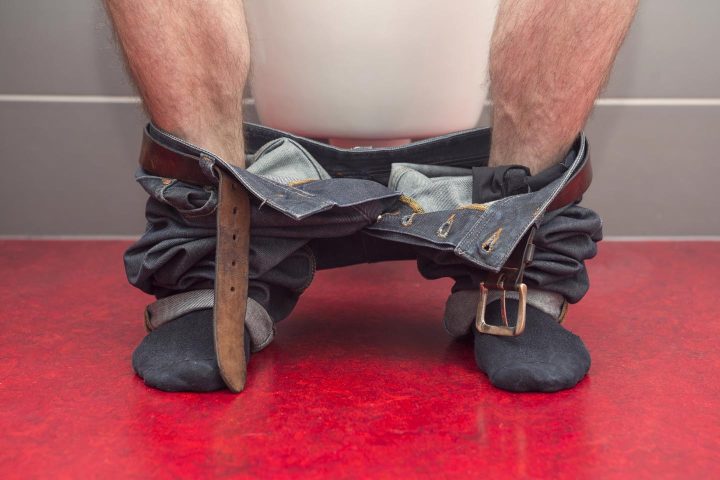
A man sitting at the toilet because of constipation
  1. You’re always thirsty. If you’re constantly suffering from a major thirst, it’s worth speaking to a doctor. Excessive thirst can be a sign of things like diabetes. However, you could also be dehydrated because of excess stress.
    • First of all, increased cortisol levels will make your blood glucose levels rise, which causes dehydration since the body tries to flush out the extra glucose through the urine.
    • Cortisol is produced by the adrenal glands, which are responsible as well to produce hormones that regulate the fluid levels in your body. If you suffer chronic stress, it can easily wear out your adrenal glands and cause a number of hormonal imbalances.
    • Although upping your H2O intake shouldn’t cause any problems, it’s still a sign of a long-term problem that’s important to rectify.
  2. Your muscles are sore. Sore muscles often happen as a result of tension. If you’re under a ton of stress, your body responds by involuntarily tensing up. This can gradually lead to more body pain over time, because your muscles aren’t used to being under that much strain.
    • Excessive cortisol during chronic stress will increase muscle tightness.
    • The same way you suffer from soreness from grinding your teeth, you could experience soreness elsewhere in your body because you’re placing more pressure on your muscles. A good massage or a hot bath might help in the shorter term, but eventually you’ll need to tackle the root cause of your stress.
  3. Your sleep is messed up. If you’re having trouble with falling asleep at night, it could be because stress is making it harder for you to relax.
    • It’s likely that you spend a lot of time thinking about the things that worry you when you’re in bed.
    • If you suffer from insomnia, you will wake up tired the next morning, which increases your stress hormones and easily drives you into a vicious cycle.
    • You might also notice that you’re having more odd dreams because of your stress.
    • On the other hand, some people experience a desire to sleep more often when they’re stressed. This could be an indication that you’re not just suffering from stress, but that you’re having issues with anxiety and depression too. Consider speaking to your doctor about these issues, who should be able to offer some personalized guidance.  

As you can see, it’s critical to your health and wellbeing that you learn to relieve stress. Make it a priority to take care of yourself by reducing your stress. And if you see those warning signs coming up that stress is getting out of control, you need to take immediate action to implement a successful stress management plan. Check out the Stress Management Tools to see how the program can help you to get stress under control.
Filed Under: Health Concerns, Results of Stress

Stress and Your Health

May 20, 2021 by Martin Neumann

Stress and Your Health

You ever felt jittery after a bout of stress? Do you have stomach cramps, a sudden outburst of pimples on your skin, or your blood pressure suddenly goes through the roof? You should be familiar with the symptoms of stress in your body and recognize when stress is taking its toll on your health.

Stress and Your Health

The body is wonderfully adapted to deal with many challenges, including stress. When we are in a dangerous spot, the body releases a number of hormones that help us to be alert, more energetic, run fast, make some quick decisions and do whatever is needed to face the crisis. When stress is chronic, like the deadlines at work or the debt that is not going away, then stress hormones like cortisol are chronically elevated as well.

Too much cortisol can suppress the immune system, increase blood pressure and sugar, decrease libido, produce acne, cause learning difficulties, lapse of memory, loss of muscle mass, aggravate obesity and much more. If cortisol is chronically elevated, the body is entering into a fatigue state, where the hormone stops to produce the desired effect. This is called glucocorticoid resistance, and will result in chronically elevated cortisol levels, and a body out of control.

The results of chronic stress on your health can be various. Have a close look at the following symptoms, and evaluate how stress is affecting your health.

Heart

As we’ve seen, cortisol constricts blood vessels and increases blood pressure. In addition to that, the stress response increases the clotting factor, preparing the body for faster wound healing in case of injury, but also facilitating the formation of arteriosclerotic plaques.

These plaques adhere to the inside of blood vessel walls, especially at locations where micro vascular damage has occurred, and attempt to “patch” it, resulting in large deposits of this mass along various areas of the blood vessel, which is reducing the blood flow and may eventually block the artery completely. When this happens in the coronary arteries of the heart itself, portions of muscle can die from oxygen starvation, which we call a heart attack. When this blockage happens in the brain, it results in a stroke. A study found that stress increases risks for development of cardiovascular diseases, which include deep venous thrombosis.((Dong, et al. Chronic Stress Facilitates the Development of Deep Venous Thrombosis, DOI:10.1155/2015/384535))

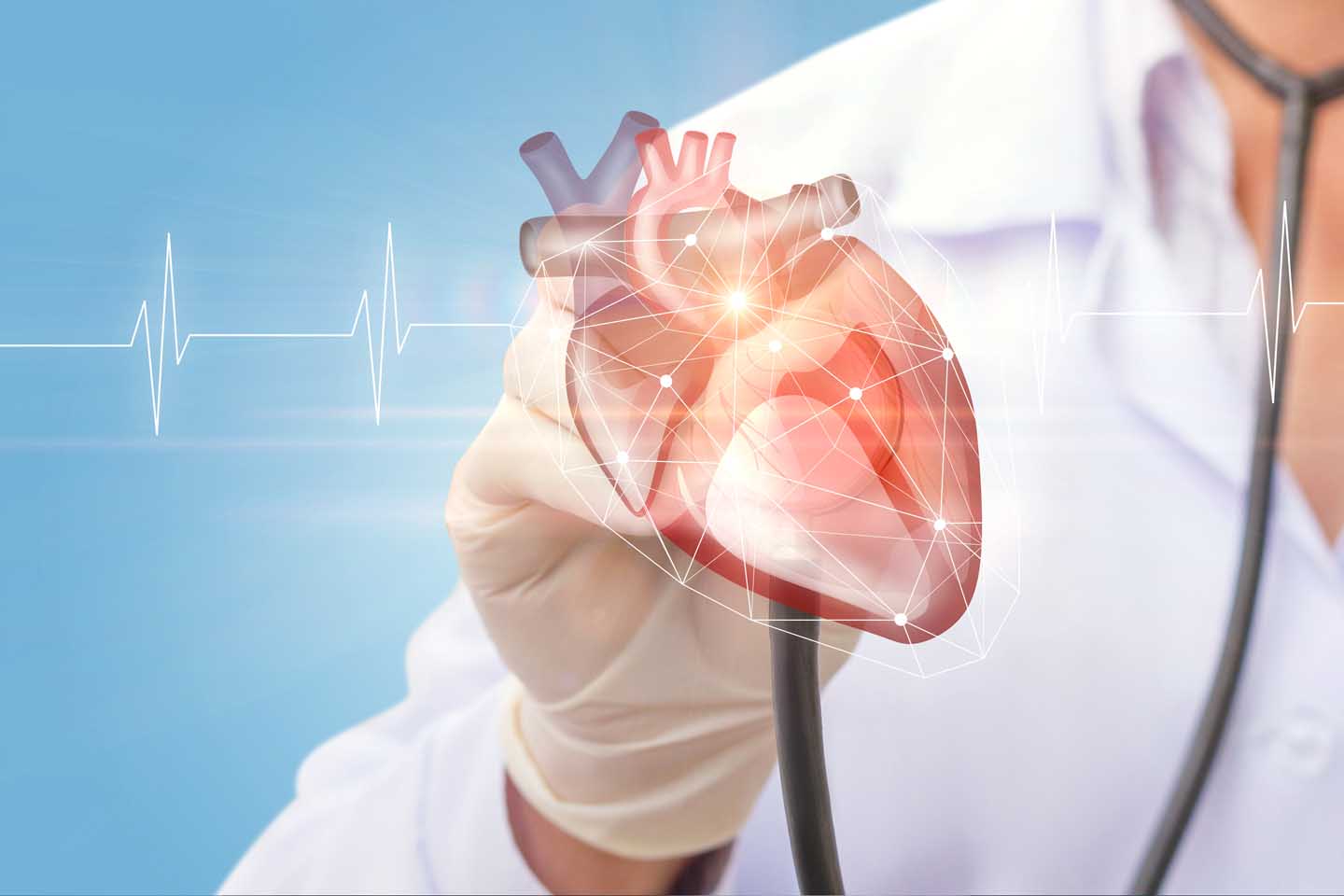
Examining the heart

Research shows that employees who are frequently exposed to high levels of work-related stress are at a higher risk of being diagnosed with cardiovascular disease.((Jaskanwal S et.al. Association Between Work‐Related Stress and Coronary Heart Disease: A Review of Prospective Studies Through the Job Strain, Effort‐Reward Balance, and Organizational Justice Models. DOI:https://doi.org/10.1161/JAHA.117.008073)) Stress causes massive depletion of the mineral magnesium, which is essential for muscle relaxation.((Tarasov E A et.al. Magnesium deficiency and stress: Issues of their relationship, diagnostic tests, and approaches to therapy. DOI: 10.17116/terarkh2015879114-122)) Tests have shown that a very large percentage of the adult population are magnesium-deficient, which very likely has a strong correlation to those affected by chronic stress.

As the heart is a muscle it is dependent on adequate magnesium for proper and healthy function. Current research is exploring the possible link between low magnesium levels and heart attacks.

Acute stress, such as may occur to people who are experiencing the sudden death of a loved one, a natural disaster or extreme accident may also lead to stress-induced cardiomyopathy. Thankfully, increased awareness means that professional emotional support is offered far more often than before, with better outcomes for those affected.

Digestive Disorders

Do you feel sometimes like your stomach has been invaded by butterflies? This is a normal reaction to many stressful or fearful circumstances. A regular stomach ache is one of the many symptoms that can be experienced by an individual who is suffering from stress. The digestive system is controlled by the parasympathetic nervous system, which is suppressed during the stress response.

As a result, digestion is compromised, indigestion develops, and the mucosal lining becomes irritated and inflamed. The diminished absorption of nutrients can cause various deficiencies, even while eating well. A study has shown that stress can dramatically change the gut microbiome, increasing the amount of inflammation-promoting bacteria.((Gao X et.al. Chronic stress promotes colitis by disturbing the gut microbiota and triggering immune system response. DOI: 10.1073/pnas.1720696115))

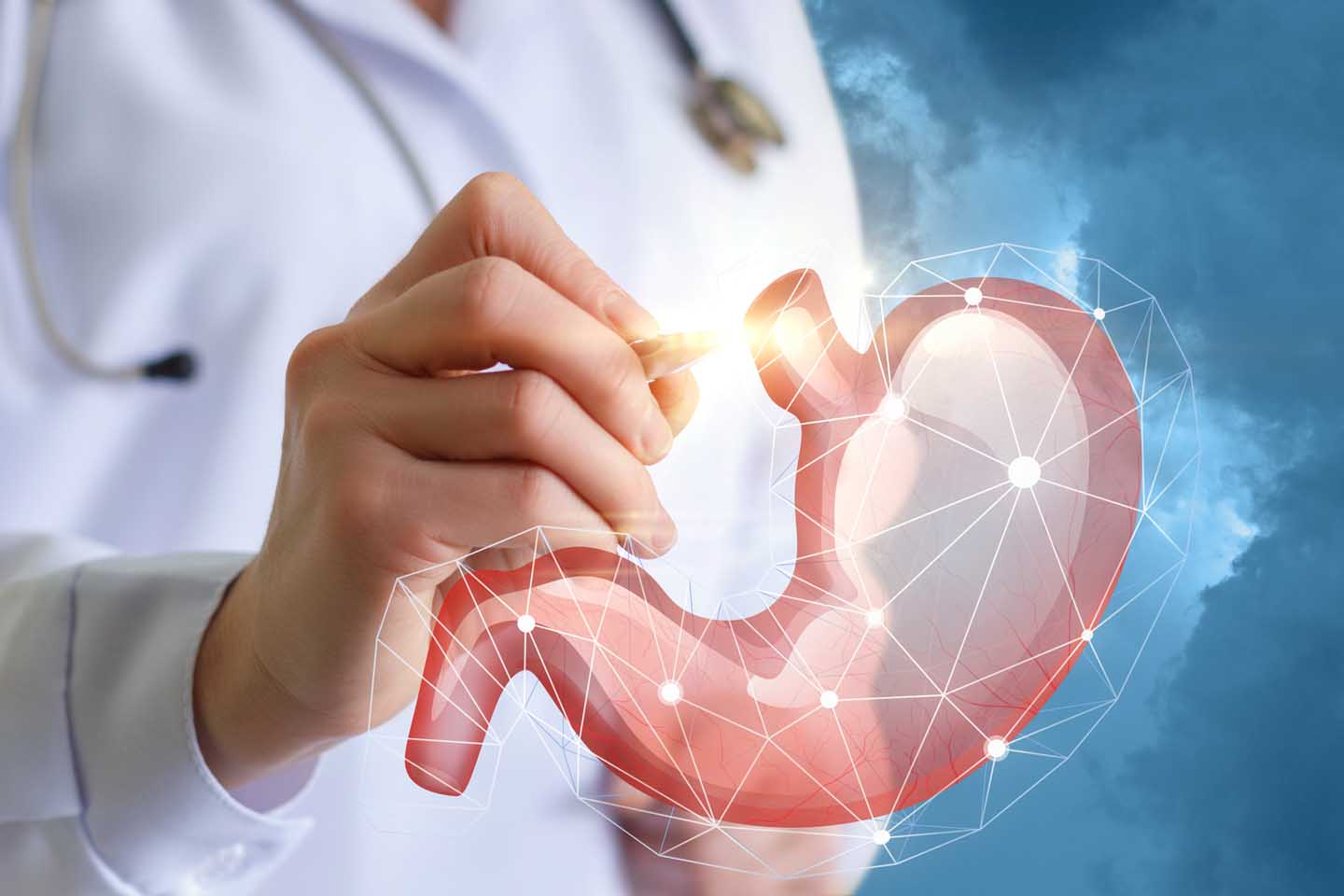
Treating the stomach

Cortisol stimulates also gastric acid formation. Gastritis and Ulcers are more common during stressful times, and continually feeling pressured can cause poor bowel elimination. If the cause is left unchecked, this could escalate into other gastric problems.

Many cases of gastrointestinal disorders such as diarrhea, constipation, colitis and irritable bowel syndrome have been linked to stress. This shows how our brain and our gut are so interconnected to each other. When you are able to resolve your problems and find that peace of mind, your whole body is going to thank you.

Immune System

It is known that chronic stress with elevated cortisol will reduce various functions of the immune system.((Dragos D et.al. The effect of stress on the defense systems. PMCID: PMC3019042)) As a result you are more susceptible to flus and colds or any other kind of infection. You will also increase your risk for cancer, since your immune system is not at peak performance to control and eliminate abnormal cancer cells.

Stress will have a cumulative effect on the immune system the longer we experience it. Think of the immune system as a firewall; the longer it is down, the greater the chances that some sort of infection can take hold of us and complicate our recovery.

Skin

Psoriasis, eczema, and other skin inflammations are often linked to prolonged exposure to stress. In most cases of skin diseases that have been brought on by stress, reducing stress levels have also been found to rapidly improve a person’s skin condition.

Chronic exposure to stress can lead to the overproduction of the sex hormone androgen, resulting in acne and other skin problems.

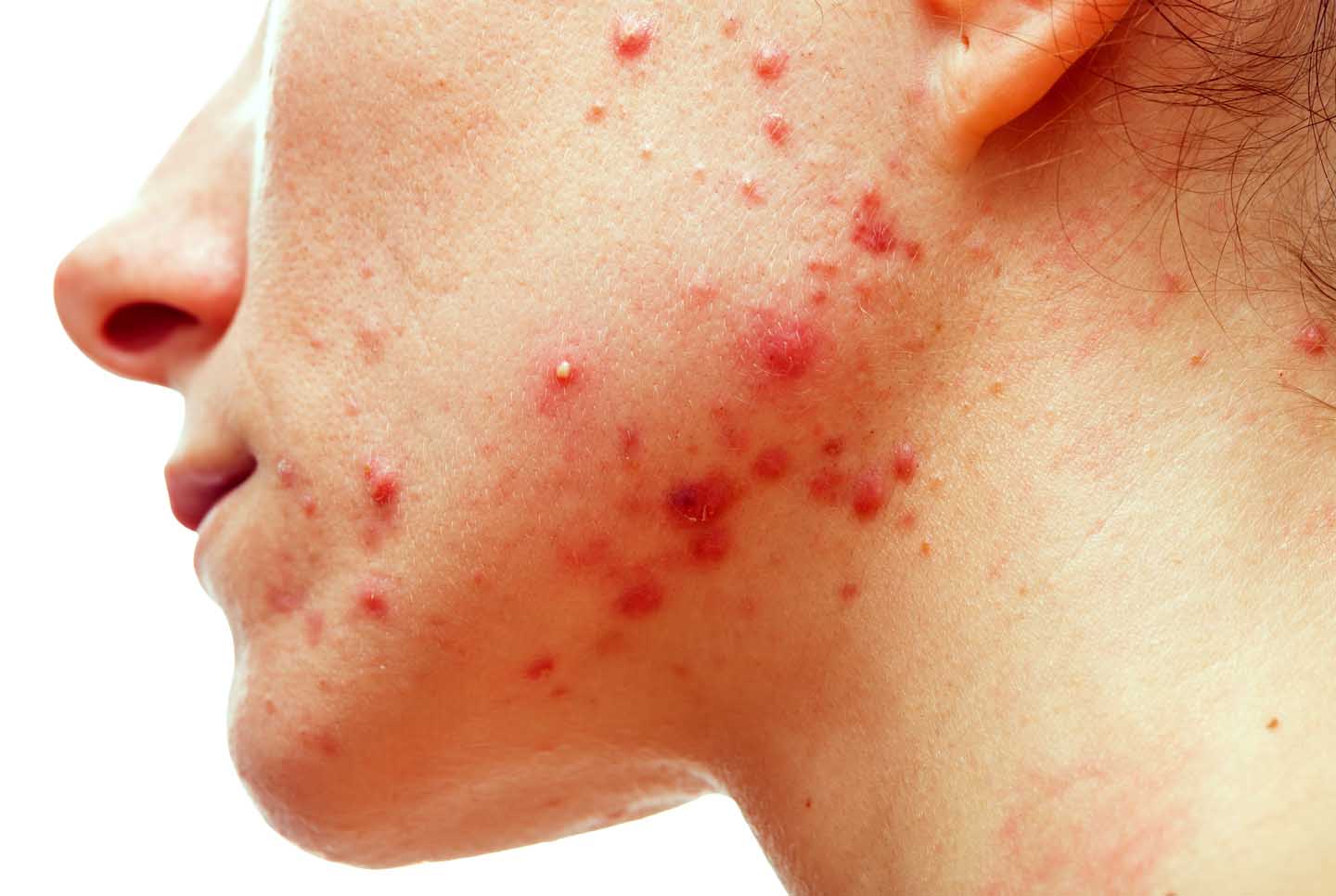
Akne

Stress causes excessive hormone production combined with a reduced healing ability, meaning you may experience the same types of skin problems you did as a teenager.

Hair

While hair loss can be a sign of other conditions, it can also be one of the most common symptoms of stress. Hair loss will be most likely to happen three to six months after a traumatic experience such as losing a loved one or losing a job. 

When a person is exposed to highly-stressful events their androgen hormone production will be imbalanced, possibly resulting in temporary hair loss. Sticking to a balanced diet is important at times of high stress, to give the body every possible assistance for healing and repair.

You may often hear people say that stress is turning their hair gray.  Stress can speed up this process especially if you are already genetically predisposed to having gray hair. During periods of prolonged stress, an individual’s white blood cells may attack their hair follicles thereby putting a halt to hair growth which is also called a “resting phase”. This gets visible when much hair is lost when being washed or combed.

Menstrual Cycle Problems

Missed and delayed periods can be a sign of stress in women. In severe cases, some women may suffer a complete stop of the menstrual cycle.

Other women still experience regular menstrual periods but many complain of dysmenorrhea that is twice as painful when they’re feeling excessive stress, and Pre Menstrual Symptoms may get worse or become more difficult to deal with.

Women with overly hectic and busy lives, filled with demands that promote chronic stress may feel a loss of sexual drive. And those who pass through menopause may feel an increase in intensity and frequency of hot flashes.

Decreased Libido

Elevated cortisol relating to prolonged stress, can lend itself to impotence and erectile dysfunction. Furthermore, the androgenic sex hormones are produced in the same glands as cortisol and epinephrine, so excess cortisol production may hamper the optimal production of these sex hormones.

It is common for people who are under a great deal of stress or feeling exhausted to have no desire in the bedroom. This can be frustrating for your partner as well. If you are suffering from a general lack of libido possibly caused by stress, it is essential to talk openly with your partner so that they can lend you a sympathetic ear and not take it personally.

Muscle Tightness

Tensed muscles are common indications of stress. This can further lead to muscle spasms which can cause great pain. Stress causes magnesium depletion in the body and without magnesium the muscles cannot relax, putting them in a state of near-constant contraction. Tense muscles can lead to migraines and tension headaches that are linked to muscle tension of the neck, head and shoulders.

Increased Cortisol levels will tend to activate an inflammatory response, causing sore muscles, aches and pains in the body. Prolonged muscle tension and possible subsequent muscle atrophy from a lack of physical activity, promote chronic, stress-related musculoskeletal conditions. Relief comes through exercise, massage, muscle relaxation exercises and adequate vitamin and mineral intake.

Pancreas, Diabetes and Obesity

People who are chronically stressed have a high tendency to indulge in sugary, feel-good foods. Also, increased cortisol levels will raise the blood glucose levels, causing difficulties especially for diabetics.

Cortisol will activate the transformation of fat into glucose. This is why stress makes it hard for diabetics to control blood glucose levels. Once the excessive glucose is not used for exercise, it will be transformed back into fat and stored in the visceral fat cells. This resuts in the dreaded belly fat that is not only unsightly but is another major health risk that can shorten your life span. On top of that, excessive cortisol levels can cause cravings for sweet, high-fat, and salty foods. Obesity in turn will increase the risk of developing diabetes.

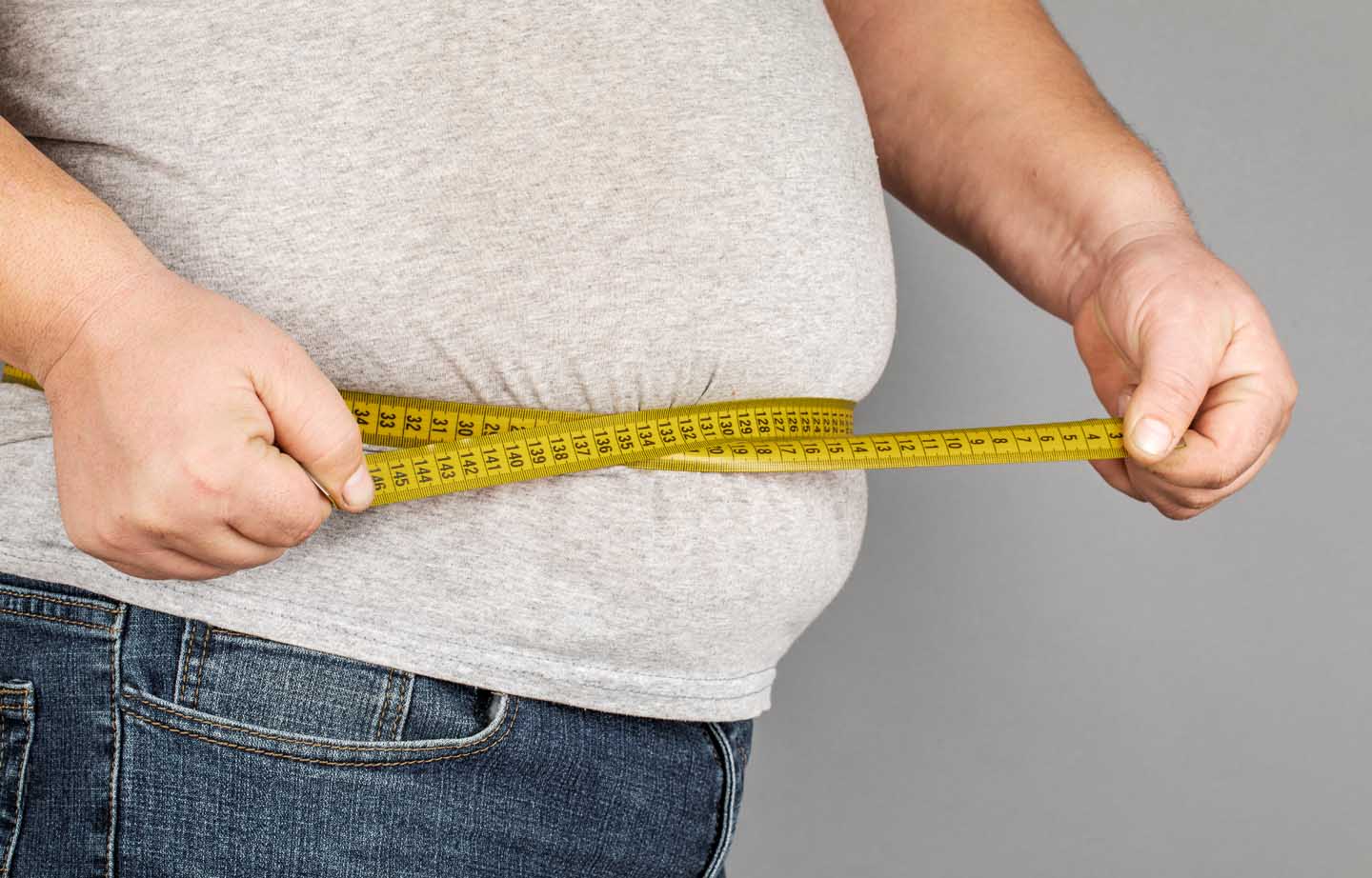
An obese man

Metabolic Syndrome

Chronic stress can increase blood pressure, glucose levels, cholesterol, triglycerides and weight gain, all of the factors involved in the metabolic syndrome.

One study found that “there is a dose-response relationship between exposure to work stressors over 14 years and risk of the metabolic syndrome, independent of other relevant risk factors.” The final results found that “employees with chronic work stress were more than twice as likely to have metabolic syndrome as compared with those subjects with without work stress.”((Chandola, et al. Chronic stress at work and the metabolic syndrome: prospective study, BMJ 2006; 332 doi: https://doi.org/10.1136/bmj.38693.435301.80))

Conclusion

We have seen that stress can compromise our health in various ways. If you experience one or several of those warning signs, you should take action to get your stress under control. In chronic stress we need to take action to decrease our cortisol levels, which can be achieved in two ways:
  • Firstly – by reducing the stress that is the root cause of the problem, either by eliminating the stressors, or by improving the ability to cope with them. A reduced emotional response to any stressor will mean less cortisol release.
  • Secondly – there are known lifestyle and dietary ‘hacks’ that assist the mind and body to reduce the release of cortisol into the system. Some bad habits can though increase cortisol production.

If you need some tips on how to achieve both of this approaches, download our Ten Minute Guide to Stress Management and start beating your stress with efficient strategies that put you into control of your life. Download your copy now!

Do you need a guide to help you understand how to cope with Stress in an all inclusive approach? Learn how to combat stress, mentally, physically, emotionally and strategically in your life.

Get Me the Guide

Filed Under: Health Concerns, Physiology, Results of Stress

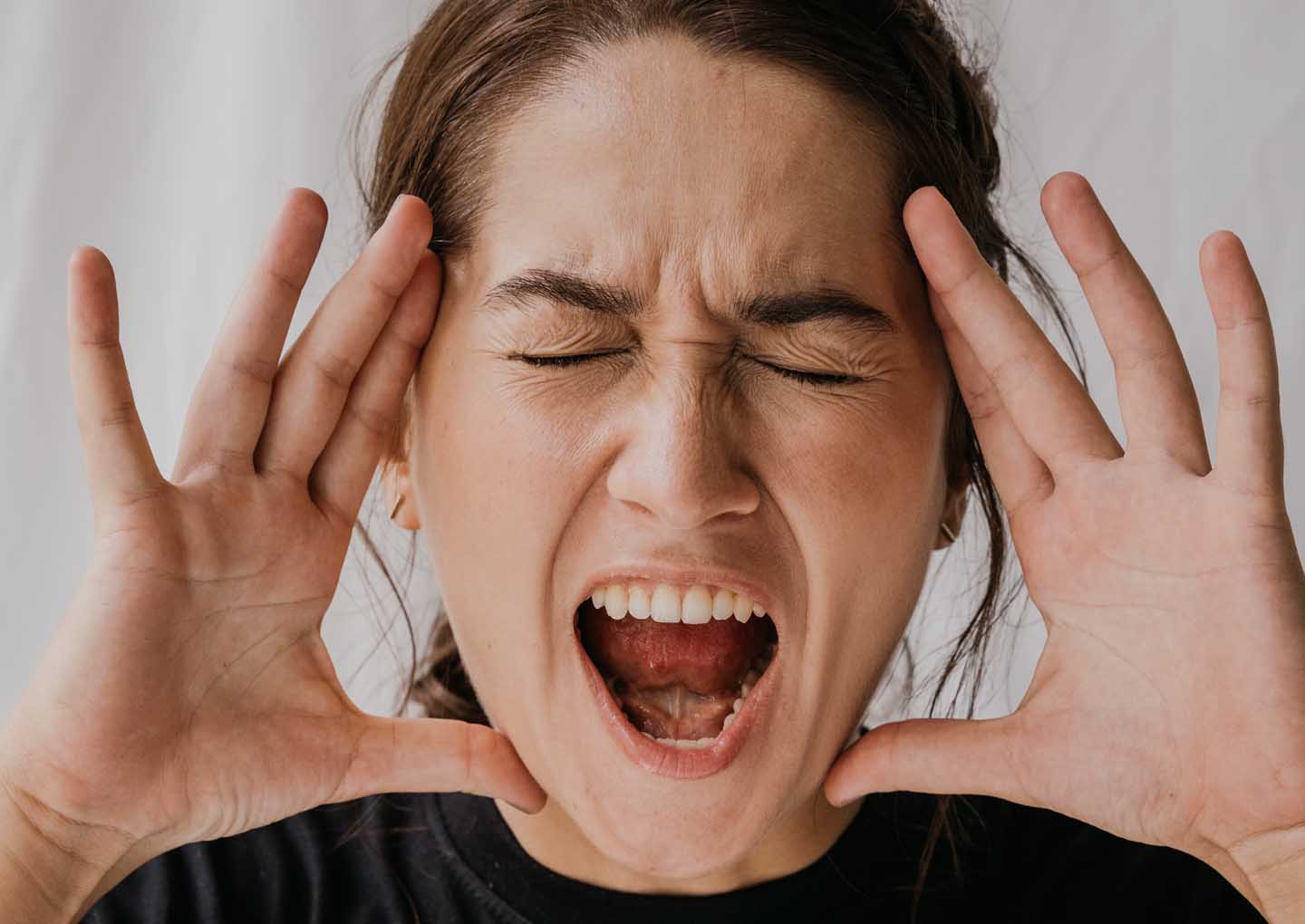
Anxiety and Panic Attacks

April 24, 2021 by Dr. Cesar Vasconcellos de Souza

Anxiety and Panic Attack

One day, I was riding in a subway train. The train was packed and I was sitting in the chair next to the window, when the train suddenly stopped in a way that when I looked at the window I saw a wall, nothing more. It came to my mind what could happen to people with panic disorder and phobias. I thought, if such a person would be here now and looking out the window, and saw this wall with a full train, so that on one side there are a lot of people wanting to get out, and on the other side a window of the train that doesn’t open, a wall, the person starts to think about it and let his fearful thoughts take over her mind, thinking that there would be no way out, that there could be shortness of breath for everyone, because the train was full, and it would be impossible to get out of there, in addition to other tragic thoughts, the panic attack would probably be triggered in this person. What we think about most, we become, even if what the thoughts are suggesting is not true. The quality of our thoughts influence what we feel.

Anxiety and Panic Attacks

What is a Panic Disorder?

A panic attack is a sudden, very strong reaction of anxiety and fear. It is unexpected and produces symptoms of physical and emotional discomfort, causing the person in the time of the crisis to escape from that place and seek a medical emergency room, or an environment in which they will feel protected, or to be with someone with whom they will feel more secure. If you are experiencing a tragic situation such as a shootout between bandits and police, it is normal to be in a panic at that moment. But the person with panic disorder is terrified of dying or losing self-control, a feeling of depersonalization, even when there is nothing in the environment that favors this. For the diagnosis of the panic disorder, there must be repeated crises in the last weeks or months, an exaggerated concern about having new crises and at least four of the following symptoms:

  • Tachycardia, which is an acceleration of the heart
  • Tremors in the limbs or in the whole body
  • Sweating all over the body, or just the hands and feet
  • A feeling that you are going to faint
  • A feeling of suffocation or difficulty in breathing
  • Chest tightness or chest pain, which is usually interpreted by the person as a heart attack
  • Dizziness or feeling of light-headedness
  • Fear to die
  • Fear of going crazy and other symptoms

About 2% of the population suffers from this disorder. It is twice as common in women as men, and usually occurs around the age of 30. However, it can happen in any age. The cause of panic disorder is not well understood by science, and there are different theories. Among them is that in the brain physiological reactions occur, starting at the place called locus cerulean. This brain center is connected to the vagus nerve, which extends to the chest and abdomen, hence the feelings of suffocation, chest tightness, gastric discomfort. If something activates this neurophysiological system in an exaggerated manner, it is generating symptoms of the panic attack. It seems that when the person is moved by phobias or by very high exaggerated anxiety, this nerve called vagus or pneumogastric nerve is activated and produces these sensations.

The person can concentrate on these bodily reactions such as the acceleration of the heart, cold in the belly, and feeding tragic thoughts: I am going to die, I am having a heart attack, and the cycle closes, so the person thinks tragically, increasing the reactions. So she enters the cycle of fear of dying, and symptoms get stronger and stronger.

It is also believed that in panic disorder, crises can be developed from mental conditioning, which the person has been doing over the time, interpreting symptoms or events in a tragic, catastrophic, imaginary way, in a way that triggers all this reaction of the panic in the future. For example, one day the person who tends to be very anxious when going up in the elevator, felt a strong pain in his chest. From then on, he associates chest pain with going up or down the elevator, and then he develops this fear of an elevator, and he can expand that fear to other closed places.

Another theory has to do with psychodynamics, the history of your emotional life. In this psychodynamic theory, the emotional conflicts of childhood and adolescence, which for some people were very difficult, can favor the emergence of very high anxiety in more vulnerable individuals. Childhood traumas, such as verbal abuse, emotional abuse, parents’ divorce when the child is young, in a very sensitive child facilitates increased anxiety, which can manifest itself by the panic attack years later. A panic attack is like an overflow of anxiety. This overflow can occur, because the person is stressed, represses feelings that need to be verbalized, or because he has conditioned himself to make a tragic interpretation of the events, and this can be modified. You can learn to think, feel and act in a healthier way.

Panic Syndrome Treatment

Excess anxiety that triggers a panic attack may decrease or not, but the person may develop healthy attitudes in self-defense. This means, that he can learn to rest, to relax, instead of always being busy, he can learn to relax even to set limits, also to say no to people. Many people mistreat themselves, they devalue themselves, they do not protect themselves from abuse, they suffer from very high anxiety, which can manifest itself in a panic attack. High anxiety and exaggerated anxiety can be the warning light, saying to the person: “Hey, you need to stop treating yourself badly, and start respecting yourself.” The treatment of panic disorder involves a few things:

  • Temporary medication, for those who are experiencing excessive anxiety, which is disrupting their work and social life
  • Psychotherapy
  • Lifestyle care
  • Orientation for family members, so that relatives understand this suffering

The medication, if necessary, must be prescribed by a psychiatrist, who will also do psychotherapy, if he is trained to do so, or he will refer the person to a psychologist. Psychotherapy is the use of psychological techniques aimed at increasing self-knowledge, and learning how to deal with your emotions. It involves also an analysis of thoughts, trying to localize negative and distorted thought patterns, often full of prejudice, and replace them with positive thoughts, of hope, of acceptance, of self-protection, of forgiveness for oneself and for other people. Psychotherapy or psychological therapy also helps the person to speak and experience repressed feelings that cause mental tension. It helps to make connections between the current suffering that the person presents, and problems in the past due to the family history.

When the person gradually understands the history of his life, in the family relationships that favored exaggerated high anxiety, he is more likely to learn to deal better with his fears, anxieties and griefs, and step by step he can learn to modify his way of dealing with suffering. Psychological therapy, counseling with experienced people, reading suitable books, participating in support groups, having moments to reflect in order to gain self-awareness, are ways of better understanding who you are, and thus facilitating emotional control.

Among the physical care that contributes to the improvement of panic disorder I can mention: first of all rest, then a balanced healthy nutrition, the practice of outdoor exercise, such as walking for example, growing a vegetable garden is extremely therapeutic for the human mind, and proper breathing. Breathing calmly and deeply, inhaling and exhaling slowly, concentrating on the breathing helps. Doing this helps to prevent the crisis from appearing or aggravating.

An anxious person sleeping -  Photo by Ketut Subiyanto from Pexels

Types of Anxiety

Panic crises or panic disorder is a suffering linked to excessive anxiety in the person’s mind. It is like a water tank that has a problem in the float, thus not closing the water inlet, and the drain, who throws out the excess of water is clogged, so water spills over the sides of the tank. Everyone has anxiety, but not high anxiety. A panic attack is when excessive anxiety overflows in the person’s mind, causing unpleasant symptoms.

There is trait anxiety and state anxiety. State anxiety is when the person temporarily experiences high anxiety. It may be in the period of school exams, for example, in preparation for a wedding, in the days before an interview to apply for a job, and other situations. With state anxiety the person has a normal anxiety, temporarily it gets higher in the face of these events, and then it returns to its normal level. Now trait anxiety is as the name says a trait, the person already has anxiety higher than the average, higher perhaps than the siblings of the same family, even though they are children of the same father and mother. So a child with trait anxiety may be more sensitive, more vulnerable to these mental sufferings.

An Example

A young adult woman has been experiencing panic attacks and sought treatment, and the points worked with her in psychotherapeutic treatment are as follows: First she has learned to think, what kind of things accumulate tension and stress in her life that ends up in exaggerated anxiety. She was too concerned about everything, she lived with her worries, which were exaggerated, and she started to realize that. Too worried was a long-time trend in her life. It was the chronic way of living tense. Excessive worry increases anxiety, and increased anxiety can cause panic attacks. She was learning to reflect if she really needed to be so worried about too many things, she started to question herself in order to understand if worry changes something for the better, if her worry would change her reality. She started to think about these things, started to question her own too anxious mind, that is, she managed to start separating herself from the anxiety she experiences. She started to reflect on what she was thinking, this is an exercise that the person has to do, which is called self-analysis or self-observation. So she is learning to live one day at a time, one hour at a time, also learning to accept the inability to fix everything around her.

Another thing that is helping this woman a lot is talking to a family member or understanding friend about her fears, to vent her feelings. Someone who understands the problem, who is friendly, who is not the critical person and who is also able to keep a secret, because venting alleviates anxiety. This woman understood that the panic attack does not go much beyond ten minutes. She is learning to remind herself that the physical symptoms, besides the pain of the crisis, are not serious manifestations of health problems, such as that she will have a heart attack, or that she will have a stroke, or that she will be fainting, so she is learning that she has no physical disease, because she has already undergone clinical and lab tests with the results ruling out the existence of a physical disease. So if you have panic attacks and you haven’t had any exams yet, you haven’t been to the doctor, you haven’t had an appointment with a cardiologist and a general practitioner, it will be important to do that. Having verified that there is no medical alteration will help you next time so that you will not be afraid that you will die of a heart attack, because you will remember: I have already had an exam and the doctor said that I do not have any cardiac problems.

An anxious woman talking to a friend - Photo by Cliff Booth from Pexels

So she has learned that anxiety in a panic crisis is disproportionate to reality. Fear says that in a crisis she will die of a heart attack, or that she will lose her mind, or something that is not real, so she has been training to step back in her mind and look at the tachycardia, look at her breathlessness, observe this and think that the strong anxiety is producing this, and not a real physical failure of the heart or lungs or brain. So the moment the crisis seems to come, she can now remember this for herself, and she is making an effort to change her focus, taking that attention away from her body signals and observing objects around her, or making a rational effort to think of something else, or going to tidy up the closet, going to call a friend, she shifts the focus of her thoughts. She also tries to recall what the cardiologist said recently, that there is no physical illness, that the electrocardiogram was normal, that the exercise ergometry or electrocardiogram was normal, as well as the other tests she did.

She now understands that even when the family member with whom she lives and who does not have panic attacks thinks that what she suffers is nonsense, she does not need to feel inferior for having these crises. She now accepts that she is not less valuable because of the crises she has.

She has learned to let go of attempts to control her life, to want to exercise control over other people’s lives and behavior, which is a very stressful thing. She is discovering that she wanted to control the uncontrollable, and that it increased anxiety, stressed her out and contributed to the panic attack. Now she is able to talk about the things that bother her, without feeling repressed, as if it was forbidden to comment on them. Often the difficulty to speak, to vent is in the person who has the panic disorder, and not because of the unwillingness of others to listen.

She is already able to set limits and protect herself from over-assuming responsibilities or tasks. She is better able to protect herself from abusive people, she recognizes better that there are people without boundaries, who abuse the goodwill of others, and that when she does not protect herself by saying I can’t, I don’t want to, it won’t happen this time, when that is the right thing to do, it accumulates stress that can trigger the crisis. She now asks for things, she asks for help, she delegates tasks, she does not keep assuming everything in her life, she does not commit herself to deadlines that are too short to meet, because she says this will not work, I cannot assume that here, so she respects herself better, she is reducing the posture of omnipotence that she had, that she can do everything, will do everything, resolves everything.

She is learning that already having had panic attacks, she was very afraid of having it again, but now she can remind herself that she is not her anxiety, she is not her fear, she is greater than this, she learned that fear is something in her, but it is not her second nature. Now, she can begin to view excessive anxiety no longer as something that will dominate her mind.

Thought Control

The person with panic disorder needs to train in their mind to self-control exaggerated concerns. What does that mean? When a concern comes, that if not overcome will create a lot of anxiety, and could trigger a new panic attack, he should say to himself: “Wow, look, I am very anxious now.” He starts to observe his own anxiety, then he says to himself: “It comes to disturb me again, but now I know that I don’t have a heart problem, that thought that says I’m going to die of a heart attack, I was already at the cardiologist, I did exams, everything is normal, so I don’t need to let the ideas of dying from heart attack take over my mind. Now I understand that I won’t get out of reality, I won’t freak out, I won’t go crazy.”

So when the person who has had panic attacks develops this type of reasoning, when a threat of a new crisis arises, it means that he is starting to control his tragic thoughts, and therefore the crisis can be avoided. Because disturbing thoughts need to be controlled, and this is done using reasoning. Using logic, using the information you already have, that you do not have heart disease, that the panic crisis is temporary, it is going away and does not lead to craziness. The truth can free and heal. So to improve any mental suffering that involves a wrong way of thinking it is important to understand what this author wrote:

The thoughts must be trained… The thoughts must be controlled… Right thoughts… do not come to us naturally. We shall have to strive for them.

Ellen G. White. Mind, Character and Personality, Volume 2 p. 656

Then you train to replace tragic thoughts with healthy ones. It may not be easy initially, but with training will become less difficult. It may not be possible to prevent the fearful or tragic thought from arising in your mind, because when you see it, it is already there in your head, but it is possible to prevent it from continuing in your mind to disturb you. So the practice of deciding to stop thinking about the negative or the tragic, will strengthen the mind of the person with panic disorder, so that these unpleasant thoughts become less disturbing and less frequent, because in doing so, he is learning to cultivate healthy thoughts that do not generate excessive anxiety. I want to leave a text for you who suffers from panic attacks:

Finally, brethren, whatever things are true, whatever things are noble, whatever things are just, whatever things are pure, whatever things are lovely, whatever things are of good report, if there is any virtue and if there is anything praiseworthy—meditate on these things.

Philippians 4:8

It is interesting that this passage has translations that say: think about such things. So which thoughts are controlling your consciousness? You can train to stop the tragic and cultivate the positive. Wishing you serenity and a clear mind.

Do you need a guide to help you understand how to cope with Stress in an all inclusive approach? Learn how to combat stress, mentally, physically, emotionally and strategically in your life.

Get Me the Guide

Filed Under: Anxiety, Psychology, Results of Stress

Burnout – What to do?

February 26, 2021 by Dr. Cesar Vasconcellos de Souza

Burnout

Have you ever heard of burnout? It is a physical and mental exhaustion, normally resulting from chronic workplace stress that has not been successfully managed. What are the symptoms and what can we do to solve it?

Burnout - What to do?

Burnout is the result of stress which lasts for a long time, leading to emotional and physical exhaustion, when there are a very stressful work style and difficult relationships with people, which could include the family.

The people who suffer most from this type of exhaustion are those who practice a profession where they are required to involve with people on a frequent and very close basis. They are service providers, especially caregivers and teachers, because their work involves many emotionally stressful situations. Burnout syndrome is manifested by emotional exhaustion, decreased personal fulfillment at work and lack of a human atmosphere. Let’s see how that works.

Symptoms of Burnout

Burnout is a response to various stressors. Its symptoms are telling the person: stop. Re-evaluate your lifestyle. Review and change the way you deal with people. Take it easy on yourself. Put a limit on the abusive people you have to live with, or stay away from them. The person with burnout is not a weak individual. The demands from outside, and often from within themselves, are in general too much for any human being to deal with.

Do you know what symptoms a person with burnout syndrome has? I will mention the physical and mental symptoms. Among the main ones are physical symptoms: constant progressive tiredness, muscle pain, headache, gastrointestinal disorders, insomnia, repeated infections due to low immunity, cardiovascular disorders such as palpitation, high blood pressure, sexual impairments such as premature ejaculation, disinterest or frigidity, bone pain, menstrual disorders, migraine, asthma attack and others.

Mental symptoms of burnout syndrome include difficulty of thinking quickly, feelings of loneliness, helplessness, impaired short term memory, decreased attention and concentration, irritability, emotional lability, like crying easily, loss of self-respect and self-worth, depression, difficulty to relax, impatience, sudden change of mood, abuse of substances such as alcohol or prescription drugs, loss of interest in work, absences from work and others.

A woman with burnout crying

Many people who develop burnout feel compelled to succeed and perform well and experience demands that are too strong to compete with. They may have an ambition that may be linked to dysfunctional, that is, unhealthy psychological needs. It is easy to disguise the unhealthy obsessive ambition for professional and economic success in life through hard work that everyone applauds, that is, people do not criticize those who work too much, the employee is always praised, but it can be a compulsive worker and end up developing exhaustion, and behind a compulsion, there is always a history of emotional pain and spiritual conflict.

Exhaustion can arise from exaggerated profound ambition, or desperate need to be approved, thinking that our work is not adequate, a need to feel that we are in control all the time, or any behavior, desire or motivation that dominates us in an uncontrollable way.

Consequences of Burnout

What are the main consequences of this exhaustion called burnout in a person’s life? Loss of physical strength to work, stress in the family, which can cause discontent in the children, who may start to see the work of the father or mother in a negative way and revolt, difficulties in marriage because the husband or wife meets the demands of their work and leaves the affections of married life aside. In this case the person must learn to put limits on abusive work requirements and their own exaggerated desire to get involved with things outside the home.

A family relaxing at the beach

There are many who develop depression in response to exhaustion. Depression is a sign that there are losses. There is helplessness that is not being respected, perhaps by the person himself, in which case there is a need to regret, to cry, to ask for support from someone who can hear or understand, or accept him in his pain, in his struggle and in his emotional fatigue.

The other consequence of burnout is the loss of motivation due to pressure at work, pressure from the boss who sucks too much, generating stress, exhaustion, and everyone is harmed. The person is asking for sick leave, the production falls, but the costs are the same. Do you exploit your employees? Do you pay overtime and allow for an hour bank? Do you give vacations according to the law? Do you pay fair wages? Are you honest as an employee, and with a co-worker? Do you involve yourself in the company? Do you do your best, are you proactive? Good qualities in bosses and employees prevent burnout at work.

Burnout Prevention

Several scientists studying this syndrome cite that to prevent burnout it is important to take some actions, such as:

  • prevent the employee from feeling coerced, pressured by strict rules and policies.
  • to prevent workers with young children in school age from being frequently transferred from the city, so as not to cut the affective bonds, the friend, school, neighbors, creating stress in the family, the father, the mother, and the children.
  • to encourage individuals by showing them that their work is very important, whatever it is, and that it cannot, it does not need to be quantified by numbers, and that the goals are secondary.
  • promote human values in the workplace, remembering that people are more important than things, than goals, than reports.
A company working as a team - Photo by fauxels from Pexels

Each employee must think that his value as a person is given by God, that there may not be a positive return of kind words from colleagues and bosses, not because my work done is not good, but because that company or that institution may have a predominance of demanding, legalistic, cruel and jealous people. And another thing, you need to have friends, at least one with whom you confide your personal problems. To prevent burnout, you need to become responsible for your health, avoid developing burnout by placing limits on the exaggerated and unfair demands of others, without fear of being criticized. Because your conscience will be calm, remembering that there will be unpleasant critics.

The leader of an employee who is experiencing burnout can assist his team member with empathy, understanding, offering personal and institutional help, without paternalism, but with compassion. I want to leave a biblical thought for your reflection:

Do not be overly righteous,
Nor be overly wise:
Why should you destroy yourself?

Ecclesiastes 7:16

Peace and light, don’t be cruel to your employee, and don’t be cruel to yourself.

Do you need a guide to help you understand how to cope with Stress in an all inclusive approach? Learn how to combat stress, mentally, physically, emotionally and strategically in your life.

Get Me the Guide

Filed Under: Burnout, Results of Stress

Is Stress Wrecking Your Life?

September 11, 2020 by Martin Neumann

Is Stress Wrecking Your Life?

Stress ruins your quality of life. It can steal your physical health, rob you of mental well-being, ruin your relationships and cause problems at work. But it doesn’t have to be in control of your world every day.

You have to first be willing to have awareness as to the level of impairment stress is causing you. Once you’re honest about that, you can pinpoint strategies that give you back the reins of your personal satisfaction.

Is Stress Wrecking Your Life?

Do You Constantly Feel Like You Just Want to Get Away?

Stress can make you feel an assortment of emotions. It can hammer at you until you feel like you just can’t take it anymore. At first, the desire to get away might ebb and flow, but eventually, it feels like there’s always this craving to escape.

This can happen when you have situations at work that are draining your energy. You’re tired of the whiny colleagues and the demanding boss. You can’t take another second of trying to balance a never-ending workload in a place where you’re overworked and underpaid.

To add insult to injury, you know what you do isn’t appreciated. You feel like you’re just a cog in the machinery. Even worse, things at home aren’t much better. There’s always a bill to pay – always something going on so you can’t relax.

Your to-do list seems like it grows by the second and you just can’t catch a break. No one is listening to you, so you’ve been keeping everything inside and now you want to isolate yourself from everyone and everything causing chaos in your life.

Sometimes, you feel like you can’t even stand to be alone. You’re not happy with yourself and you want to run away from your job, your home life and from who you are as a person.

Stress can cause people to experience an intense feeling of being at their breaking point. It can come on slowly or it can build over time. That’s because you’re only built to handle so much stress.

Just like a pot that’s cooking on the stove burner, too much heat is going to cause you to eventually boil over. When you reach that point, it’s because the stress hormones have been cooking within you and causing mental and physical reactions.

This is your body’s normal response and it’s not designed to harm you. Feeling like you just want to get away is your body’s way of saying, “Pay attention. Something is going on here and it’s wrong. Get away from the danger.”

You get that signal and it can be confusing if you don’t realize that this signal is a stress-based way of trying to help save your mental and physical well-being. The more stress that you’re under or have been under for awhile, the greater the desire will be to just run away as far and fast as you can.

When you feel like this, consider it to be a wake up call. Your body wants you to know that if you don’t take action, you’re going to eventually break. The stress load that you’ve been carrying is too heavy for you to bear and your body wants you to figure out a way to give it relief.

Are You Taking It Out on Others?

Stress can wreck your life when it spills out on those around you. When you feel that internal pressure building up and your coworker comes to you with the same problem you’ve already tried to help them with and they didn’t listen, you might find that your response is to snap at them.

If they reach out to you by email, you might end up answering them tersely, clearly letting them know that you’re irate. Instead of going out with your coworkers like you used to, you avoid them after hours.

You’re angry or sad and instead of understanding that what you feel has nothing to do with the other person, you lash out at them. This stress spillover can cause you to snap at your spouse.

You’ll find that their actions bother you and stress can cause you to take it personally. Stress can also blind you to what’s actually going on. You might find dozens of ways that your spouse is suddenly at fault and blame what you’re feeling and going through on the one that you love.

You might yell, argue or give your spouse the cold shoulder. You shut yourself off from them and keep your distance. The tension in the relationship just makes the stress you feel get worse.

If you have kids, you might take your stress out on them. Instead of playing a game with the kids or being present in their lives when you get home, you just want them to go play on their own and be quiet so you can unwind.

Where before, you thought their antics were cute and funny, now you find them irritating. You might go into a room alone and turn on the TV and ignore your kids altogether, pushing the care of them off onto your spouse.

Wanting to watch TV alone can be a sign that stress is affecting your social life.

If the stress that you’re dealing with is related to your finances or your health, this can exacerbate the tension between adults in the house. Other family members can also be a target of stress.

You might be trying to juggle too many responsibilities. There’s so much to do that you feel like you’re not even making a dent and the next thing you know, your parents want you to do something or a sibling asks you for help.

Maybe one of them drops by just to chat when spending time with someone is the last thing you want to face. You might say something that you regret because you take your frustration out on them.

The stress that you’re under has sent you beyond the limit of what you’re capable of holding in and you act in a way that later you feel guilty about. This causes even more stress and when you’re around them at all, you can tell they were hurt by what you said or did. As a result, this stress might make you start avoiding your family altogether.

Are You So Frazzled You Can’t See a Way Out?

When stress frazzles you, it can make you think there’s no way out. That’s because it’s overwhelming you. The stress that you’re under feels as if you’re stuck in the middle of the ocean and you keep swimming and swimming, but the safety of land isn’t anywhere on the horizon.

A lot of people give up because being under too much stress can incapacitate you to the point that you don’t even know what to do, much less have the ability to take any action.

You do your best to juggle everything in your life. Trying to keep up with work and home responsibilities and take care of everyone in your life is draining. When the stress frazzles you, it can start to feel like everything is just hopeless.

Maybe you don’t try to change anything because you think, “What’s the use?” You believe that the change won’t last, that everything will go back to the way that it was anyway.

Stress frazzle is when you get to the place in your life where you’re mentally and physically exhausted. Things start to slide at this point. You lose your concentration at work.

You get behind. You snap at your coworkers or tell off your boss. At home, you argue with your spouse and withdraw from your kids. You avoid your responsibilities because you can’t drum up the energy to do anything.

You’ve basically decided to stop because everything looks like it’s a dead end. There’s no use trying to decide how you can change things. When you reach this stage, it’s easy to believe that whatever has caused you stress is unfixable.

This is when feelings of anger or anxiety can turn into depression. But keep in mind that just because things look and feel hopeless doesn’t meant that they actually are. It only means that what you’ve been doing, how you’ve been living and letting the stress accumulate just isn’t working for you any longer.

There are solutions available and you can stop the stress from wrecking your life. You don’t have to put up with feeling like everything is hopeless. Some of the solutions that you can find can offer you relief right now without you having to wait weeks or months to feel better.

But you have to take that first step and realize that you can’t keep going on the way things are. You need help to stop stress from causing any additional damage and you need to heal from the damage that it’s already caused.

Are You Starting to See Physical Symptoms?

Stress is something that can be pretty sneaky. It’s not like it announces its presence with one glaring symptom. Instead, stress spreads the symptoms around. So you could have a variety of symptoms, all seemingly unrelated when they actually all point back to stress. 

Headaches are a common occurrence in some people and they’re also one of the most often overlooked signs of stress. A headache every now and then is normal. Recurring headaches are not.

Headaches can be caused by stress

These are tension headaches and the stress can reach a point so that they’re so bad, they wake you from a sound sleep. Some people develop migraines with stress. These are usually targeted areas of pain in the head and you may also get nauseous at the same time.

You can experience both light and noise sensitivity as well. Experiencing aches and pains throughout the body is a sign that stress is starting to manifest in physical symptoms.

You can feel muscle or joint pain. When you get stressed, your body tenses. This is a normal response and with healthy stress, the tension dissipates. But constant stress causes long lasting tension in the muscles.

This leads to painful shoulders, neckaches, backaches and more. Digestive issues can be stress related. You can have stomach cramps and feel like you’re going to be sick to your stomach.

You can also develop trouble going to the bathroom or have bouts of diarrhea. You might have a loss of appetite or a raging hunger. Stress is known to cause insomnia. The anxiety and worry keeps you from being able to sleep and when you don’t sleep well, that can acerbate other stress related physical symptoms like muscle aches and headaches.

Stress can also cause chest pain and tachycardia. Your heart might beat so hard that you’re sure something is wrong. Some people have gone to the emergency room certain that they were having a heart attack, but it turned out their symptoms were caused by stress.

The thing about stress manifesting in physical problems is that by the time your stress reaches this point, it’s serious and you need to do something about it to protect your health.

Has Stress Become Your Norm?

Stress is different for everyone. What’s stressful to you might not bother someone else and vice versa. The reason stress doesn’t create a one-size-fits-all reaction in everyone is because the stressor isn’t the real problem.

Many people have trouble at work or home. There are bills and responsibilities all around and issues that create emotional and mental havoc. So it’s not what creates the stress that affects you – it’s the lack of coping skills.

When a person is unable to deal with the stressor or the results of the stressor, then they push it aside and don’t do anything with it. It doesn’t go anywhere, but they learn to live with the stress the situation causes them.

This happens because sometimes trying to fix the stress is uncomfortable. It might involve digging into things that you don’t want to face. But not facing stress is like having a huge stain in the middle of your living room floor.

This stain has been there in your home for a long time. You don’t know exactly when the stain first occurred and maybe you don’t even know what caused it, but it’s there and it’s not going anywhere. It used to bother you to see the stain, but over time, you’ve learned to turn a blind eye toward it. You’ve gotten used to and it’s now your normal. You’ve learned how to accept it.

The same can happen with stress. You might not even realize that you’ve made stress a normal part of your life that you simply accept. When stress has become your norm, it means that you’ve learned how to adapt. You’ve altered some things about your life in order to make it as comfortable as possible to live with that stress.

Below the surface, this situation could be destroying your health. Stress wrecks your immune system. Plus, people who are stressed are two times more likely to have a heart attack than people who created coping skills for their stress.

Planning your day can help get stress under control

Your physical and mental health cannot live with stress, no matter how well you think you’re surviving in spite of it. There are many options that you can choose so that this chaos you’ve been living with ends and you get your serene life back. There is hope that you can find peace and freedom from stress – you just have to be willing to seek it out.

If you need some tips how you can get stress under control, download the Ten Minute Guide to Stress Control and start today to develop proper coping skills for your stress.

Filed Under: Results of Stress, Stress Habits

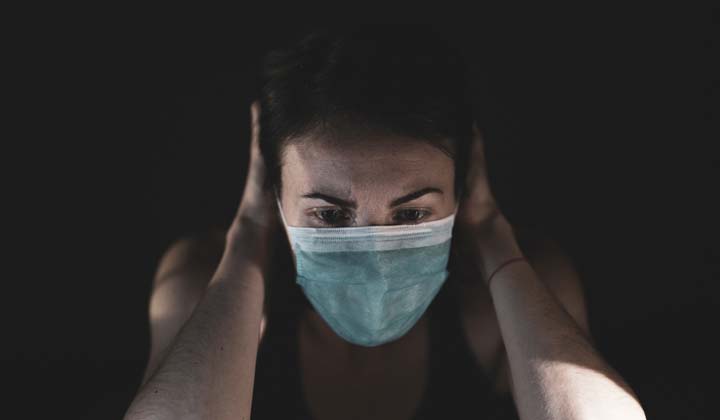
Does the Pandemic Stress You Out?

August 16, 2020 by Martin Neumann

Does the Pandemic Stress You Out?

Almost half of the Americans report that the pandemic is affecting their mental health.((Coronavirus is harming the mental health of tens of millions of people in U.S., new poll finds. Washington Post, April 2, 2020)) A federal disaster distress hotline ha seen a more than 10x spike in incoming text messages during the pandemic.((The Health 202: Texts to federal government mental health hotline up roughly 1,000 percent. Washington Post, May 4, 2020)) In the UK a study ascertained the anxiety level of the population on a scale of 1 to 10. They found out that the average anxiety level jumped from 3 before the pandemic to 5.2 right after the lockdown.((Coronavirus and anxiety, Great Britain: 3 April 2020 to 10 May 2020. Office of National Statistics)) Especially couples and elderly people have seen a drastic rise in anxiety level.

Does the Pandemic Stress You Out?

The reasons for the steep increase of anxiety and stress are manifold. One of the more obvious ones is fear of getting infected when leaving home. News from relatives or friends who succumbed to the disease will just increase the fear of being the next victim. Although some simple protective measures are healthy, the more anxious ones are getting neurotic in their hygiene attempts. When studies were published that the virus can stay airborne for about 3 hours, this heightened the ill effects of coronaphobia in a large number of people. It is important to put the risk into a healthy perspective, and I wrote an article about the naked truth of the coronavirus that can help in that matter.

Quarantine is another source of stress. Especially those who reported being lonely have felt a greater rise in anxiety levels. As about one-third of the world’s population is put under quarantine, a number of mental health issues like low mood, irritability, stress, insomnia, anxiety, depression and others are on the rise.((Lockdown is the world’s biggest psychological experiment – and we will pay the price. World Economic Forum, April 9, 2020)) Social isolation is a big factor in that, together with feeling trapped at home and interruptions of the usual daily routines.

For families with children, the stress of schooling their children and entertaining them at home puts an extra burden on the parents that they are often not used to handle (We have some tips in the article: 15 Creative & Fun Family Activities You Can Do at Home). In some cases, a dysfunctional relationship is aggravated by the fact that the family is forced to stay together in quarantine, and having no place to escape. Domestic violence is increasing drastically during the lockdown.

Others are even more stressed with the thought of getting back to normal. After returning to work, will there be a risk for a second outbreak? What is my risk of getting infected being in touch with people again? Some risks are for real, but after doing some healthy precautions, put your worries away. And it is alright to take your time and return gradually into social life once the lockdowns are lifted.

Another source of stress is news overload. Some are trying to catch up with all the latest news, and chasing the newest studies to try to understand a disease that even experts have a hard time to understand. Coupled with that are a number of conspiracy theories that are gaining much popularity. One example is a video of Judy Micovits who went viral, claiming that the virus was released from a Chinese lab, and that most information published is just a big scam. Fact-checking revealed that her video was the bigger scam, and most of her statements were simply made up.((Fact-checking Judy Mikovits, the controversial virologist attacking Anthony Fauci in a viral conspiracy video. Science Magazine website, May 8, 2020))

Finding a scapegoat for the pandemic seems to be attractive for many, but it may be just a way of avoiding to take their own responsibility of needing to respond to the crisis. Some others have an urgent desire to find out the truth. Yes, it is very likely that China has underreported their COVID-19 death rates since they do not correlate to the Wuhan crematory activities.((Cremation numbers reveal possible suppression of true COVID-19 data in China. News Medical, June 8, 2020)) On the other hand in the western hemisphere the death rates are more likely to be a bit overreported since financial benefits are associated with the treatment of COVID-19 patients. But finding some proof that the virus was man-made in any way would be a pretty hard task, even in the hypothetical case that it would be the truth. And at the end of the day, what difference will it make for your life?

A much more tangible stressor is the economic impact that the pandemic is causing worldwide. With a large number of people losing their job, financial difficulties are a reality in many homes. There are plenty of families out there just struggling to put food on the table, and that can be stressful.

Health profesionals who are on the frontline of the battlefield are especially vulnerable of suffering from stress during the pandemic. Those who are exposed to patients dying around them every day can suffer from post-traumatic stress disorder.

How to Stay Sane During the Pandemic

Have a Plan

Being prepared can do a lot to minimize the stress you face during this crisis. Preparation will include provisions for maintaining your food supply (stocking some food, maybe considering an own garden to help out), implementing safety precautions, things to do during the pandemic, how to protect your financial interests and more.

Manage your finances

Get some savings available

Mishandling your finances is quite easy when you are dealing with economic turmoil all around us. Hence, you need to start managing your finances wisely to avoid having regrets when the problem has passed. When you are on a tight budget, you need to be doing proper financial planning, recording all the expenses and analyzing where you can save. Then you should avoid debt wherever you can. Buy things when you can afford them, paying the full price in cash. Any dept will add extra stress during uncertain times like we are passing now.

Filter Information

Avoid bad news whenever you can. Spending time reading alarming tales of the horrors of COVID-19 will probably increase anxiety, not reduce it. Do not focus on the kind of information that will not help rectify the situation. Pay attention to material that gives advice on how you can overcome or guard against being affected by the worsening of the pandemic. Filtering information can also mean changing the subject when bad news are brought up countless times.

Keep Exercising

As you know, exercising is a great way of staying positive, staying healthy, and improving your overall physical and mental well-being. You may be tempted to cancel your workout routine while the gym is closed or severely restricted. But you can do an exercise routine right at your home, or go out for a walk with all the needed safety precautions. Exercise does a lot to eliminate stress or anxiety from your mind, and keeps your thoughts clear and focused. Therefore, keep exercising and enjoy the process.

Stay Connected with People

Calling friends

While you are not able to meet up with friends and family the way you would like, you need to make an effort to reach out to them. Schedule some regular time to check in with those you care about. It will do a lot to keep your mind sane in a time you are restricted in what you can do. Be especially mindful about the needs of your parents, grandparents or other elderly people around you.

Find some Meaningful Activities

We all have a need to belong and to have a purpose in our life. While you are at home, find some activities that can be meaningful to you and to others. Sometimes caring for someone else is all it takes to take off the focus from yourself and see the needs of somebody else. You may be doing some remote work, so even you are not going to the office you are keeping up with your regular activities. If your job does not allow for remote work, use your chance to educate yourself and be better prepared once the pandemic is over.

Dwell on the Positive

When things are falling apart all around us, it is easy to get caught in a worry round of fears and negative thinking. Are you afraid of getting infected? Remind yourself of all the protective measures you have implemented, and dwell on all the cases that recovered already. You are weary about the restrictions? Think about what you want to do when the lockdown is over. You are worried about the future? What does it help you to get all wrapped up with your worries?

Jesus expressed it right in the Sermon of the Mount: “Therefore I tell you, do not worry about your life, what you will eat or drink, or about your body, what you will wear. Isn’t there more to life than food and more to the body than clothing? Look at the birds in the sky: They do not sow, or reap, or gather into barns, yet your heavenly Father feeds them. Aren’t you more valuable than they are? And which of you by worrying can add even one hour to his life?… So then, do not worry about tomorrow, for tomorrow will worry about itself.” Matthew 6:25-34

It is correct to properly protect yourself. You should do the part that you are able to do. But after having done your part, what does it help you to keep worrying?

Find a Save Haven of Rest

When troubles abound all around you, there seems to be plenty of reason to get worried. But stress will take hold of you if you are feeling that there is a threat to your life that you are not able to control. What you need in this moment is a fortress for your mind to find safety.

A Christian will find this save haven in a meaningful relationship with his Creator. If God was creating you, i He not able to take care of your health? And if he feeds the birds in the sky, is he not going to take care of you? Knowing that we have a Heavenly Father that takes care of us, will provide a fortress to our mind that will resist any storm that may go on around us.

The Bible is giving us lots of examples how our Heavenly Father was taking care of His children in the past. But you need to rest assured that He will do the same thing in your life, if you commit yourself into His care. In order to have this assurance, you need to have a living relationship with Him. You need to take a step of faith and experience for yourself that you can trust your Heavenly Father to take care of you.

Would you like to have this experience? Would you like to discover the promises that your Heavenly Father has given you that He will take care of you? Do you want to discover the purpose that He has for your life? Do you want to know what more your Heavenly Father has prepared just for you? If that is your desire, you should take a guided study of the Bible to discover what your Heavenly Father has to tell you today. Use the chance and get your study guide for free.

I Want the Free Bible Study Guide

Filed Under: Results of Stress, Stress Management

Next Page »

Primary Sidebar

Copyright © 2026 Stress Management Tools · Log in