Stress Management Tools

Helps You to get Stress under Control

  • Home
  • About
  • Blog
  • The Program
  • Free Offer
  • Contact
  • nl_NL_formal Nederlands
  • pt_BR pt_BR
You are here: Home / Archives for Martin Neumann

Martin Neumann

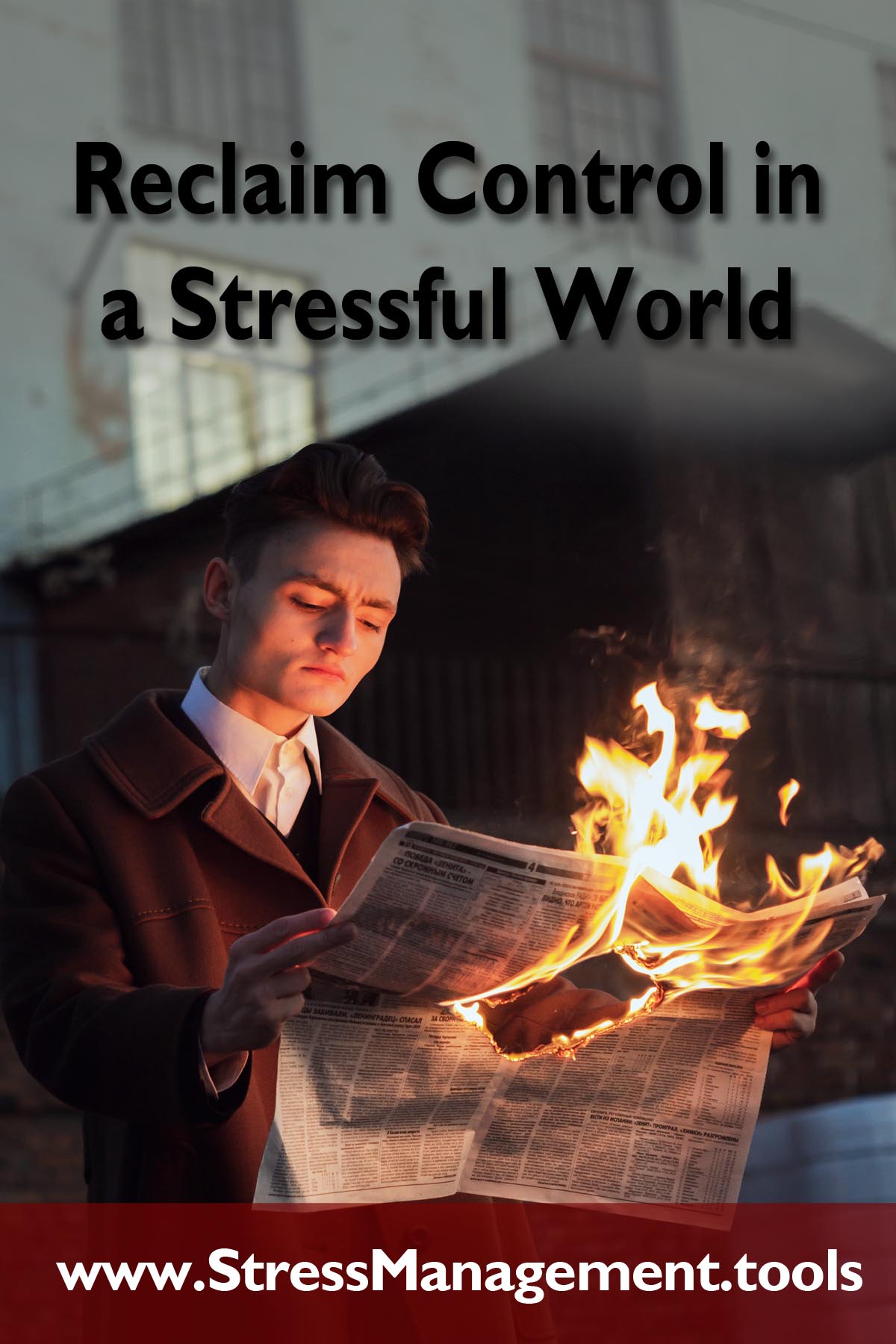
Reclaim Control in a Stressful World

January 15, 2023 by Martin Neumann

Ask anyone and they’ll probably tell you that their stress levels are at an all-time high. Brought on by global health issues, economic uncertainty, and dozens of personal issues, men, women and children are suffering from emotional turmoil that’s spiraling out of control.
Reclaim Control in a Stressful World

You don’t have to live like that anymore. It’s easy to get caught up in the barrage of stress coming at you from every angle. But if you want to take back control of your mental health and not be victimized by stress overload any longer, you can implement an action plan designed to get your life under control. Whether you’re worried about your finances, relationships, health concerns or other issues, the strategies you’ll find below will free you from the chains that are contributing to your unhappiness.

You Are Not Alone – How Stress Is Weighing Us All Down

Right now, especially since the pandemic hit, stress has negatively affected people in regards to being worried about health issues, the financial impact the pandemic and inflation has caused, and other issues that hit close to home.

Recent polls are showing that stress is on the rise, and it is negatively influencing peoples’ behavior (such as making them snap in anger), causing tension in their body, and resulting in mood swings they don’t know how to manage.

It’s not only what’s happening in the world right now, the uncertainty is also a big stress factor. Nagging questions about how things will turn out are a burden none of us should be carrying, but we are.

As far as what’s causing all this stress, in the past three years, it was the pandemic, as most people reported. But the “future of the country” has also caused great concern. Job stress is a big one, and it’s no wonder with so many changes in the workplace due to the pandemic – not to mention paychecks not going as far as they once did.

Other top stress issues are responsibilities you face as a spouse and parent as well as health issues you might be facing. And while older adults are suffering on a more regular basis, the younger generations are reporting extreme levels of stress.

Women are saying they’re more stressed than men and married women have more stress than single women. Stress is affecting a large part of the population in a negative way, and detracts from our quality of life.

How to Reduce Stress Over Money Issues

Finances are one of the most common stress factors in many individual’s lives, and it is not limited only to the poor. Even the wealthy can be suffering financial stress from poor decisions, the stock market, inflation, job loss and other situations that can wipe out someone’s financial security in an instant.

Your money stress may stem from simply not earning enough to pay your bills or afford groceries. When you pair this with soaring inflation, it can be a recipe for disaster when it comes to your mental health.

It’s natural for financial stress to emerge from time to time. But if you are feeling on edge 24/7 from money woes, you need to dig yourself out of that hole and take care of the situation so that your emotional needs are met.

One thing that will help you reduce stress over your finances is to know exactly where you stand. If you are no longer opening your bills or have not looked at your credit score, it can be worse than if you had the facts laid out in front of you.

Doing accounting to find out the current financial situation

You can start a spreadsheet that tracks exactly what your income is, and also all of your monthly expenses as well as debt that you have incurred. It may be a little unsettling to initially see the numbers in front of you.

But once you know where you are standing, it will be easier for you to create a plan to become financially resilient once again. The best way to ease stress over finances is to start cutting back on careless spending.

You will feel more guilt when you are looking at the money you need if you know you have spent it on things that shouldn’t even be in your budget, like a daily coffee at Starbucks.

Even though something like this isn’t a lot of money, it can add up. Even if you only bought a small coffee every day, that would be almost $100 you would be spending just on a single beverage each month.

The next thing you want to do when it comes to achieving peace of mind with your finances is to reach out and contact those companies that you owe money to and see what arrangements can be made to lessen your burden.

Some companies will waive penalties or change the due date for you if it will help you keep your head above water. You want to make a plan to pay off your highest interest rate debt first.

Then, find ways to earn extra money. You might sell things that you have lying around the house that you no longer use on sites like Facebook Marketplace, Craigslist, or eBay.

Another thing you can do is get a side hustle such as delivering food from restaurants or grocery stores, or using your car for rideshare purposes working for companies like Uber or Lyft.

If you can’t be out of the house after your normal working hours, you can even start a business online as a freelance service provider or as an online entrepreneur who makes money by sharing good advice on a topic of your expertise.

What to If You’re Still Suffering from Pandemic Stress?

There has been a lot of fear mongering that has occurred over the past two to three years. The pandemic led people to spread misinformation from all sides, to attack one another, and to heighten their fears even if they were unfounded.

This was a health issue, but it was turned political in the process, which added even more stress to peoples’ daily lives. The stress wasn’t just about health, even though initially everyone was concerned about whether or not they would get sick or even die if they caught the coronavirus.

In the beginning stages of the pandemic, you couldn’t even get groceries without whipping out a package of disinfecting wipes and carefully cleaning every item in the bags.

Some people were masked up and some were not. Some had vaccines and others did not. Instead of everyone living their life by their own rules, which Americans have always done, you may have had to deal with people who thought differently from you confronting you about your decisions. In fact, this type of behavior still exists in some places. The fear was based on the uncertainty of what impact the unknown virus would have.

A group of people improvising on masks

However, stress from the pandemic was more than just health related. Many people experienced stress from the isolation that they felt. Whether or not your city or state had a mandatory lockdown, many people stayed home just to be on the safe side.

The isolation and loneliness that many people felt no longer socializing in public took a toll on our society. From school kids who no longer had friends to interact with, to elderly individuals who were left to fend for themselves without family to visit them, there were very few people who were unaffected by these decisions.

Another toll that was due to the pandemic is the job stress that many have to endure. Some companies were able to morph into a telecommuting situation where you were able to work from home and continue earning a paycheck.

Other companies simply had to lay off most of their staff, and you were suddenly without a steady paycheck and had to rely on government assistance. Those that were left on the job, had to work overtime to keep everything afloat. If you were a business owner, you may have lost everything that you have worked for, which is a very stressful and heartbreaking situation.

Most people have either gone back to work or started their own business at this time, but you may still have some lingering social anxiety or health concerns that you would like to manage better.

It may help you to stay informed on ways you can protect yourself. You need to focus only on what you can control for your own life and not stress yourself out about what others are doing or not doing.

It’s one thing to stay informed and another to obsess about the pandemic. You don’t want to let it consume your life on a daily basis. Keep in mind that it’s the media’s job to inflate fear so that you will click through on their links and stay tuned to their channel, so even if the information is accurate that they are reporting, you can’t rely on it to convey the correct level of alarm.

Do World News Keep You on Edge?

News of global catastrophes have never hit us this hard before. Previously, you might hear a segment on the 5 o’clock news or keep up with the world with the Sunday newspaper. But now, global news is being shoved down your throat 24/7 on every channel and website you visit.

It’s no wonder we’re stressed! Never before have you had to hear about every country’s war, famine, crime and political chaos on a daily, if not hourly basis. And the media know that it’s going to get views and clicks if they make it sound as dire as possible.

A man with a startled look examining news on a website

Whether it’s a war brewing in a far off nation or a political climate that’s teetering on the brink of instability, you don’t need to be tuned in to this day in, day out. Unless you are in immediate danger, it isn’t necessary to sabotage your mental health like this.

Drought, political decisions, plants that are shut down – ask yourself if it’s affecting you right now, or if it will be something sabotaging your daily life in the near future. If not, shelve your worry until a later date and see if it gets worked out.

There’s a reason why stress levels tend to decrease as we age. While Gen Z is highly stressed right now, older Americans are less so. Experience tells us that things we used to panic about eventually have a way of working themselves out – and it is of no use to fret about things that likely won’t materialize or can’t be controlled.

Managing the Many Personal Stress Issues in Your Life

Part of your stress might be more personal and less global or newsworthy. Everyone goes through ups and downs in life. You will – at some point – have to weather the storm or become a victim to it.

There may have been relationship woes in your life recently – a breakup with your significant other who you hoped to spend an eternity with. Recently, the pandemic affected these unions in a horrible way – maybe because people were locked down together, experiencing their own stress over money and health, and took it out on each other.

You might want to work on the relationship to see if it can be salvaged now that things are going back to normal. If things can be repaired, it is normally better for everybody involved. 

If your relationship ends, give yourself permission to grieve, but let go of the hatred and stress it brings thinking about what went wrong. You don’t want to keep one foot in the past as you try to move forward and find your own happiness.

Sometimes, you might be dealing with the stress of parenting. Parenting stress never ends. As a new parent, you stress about not knowing what you’re doing. When they’re toddlers, your stress is about everything they get into when you’re not looking for a moment.

A couple taking care of their kids

Later on you’ll have to deal with stress about schoolwork, chores, protecting your child from bullies and heartache – their health and more. Even once they leave the nest, your stress will be about their happiness and if they’re sad, you’ll be sad.

Being a parent is stressful, but in order to give your child the best life possible, you have to teach them how to be resilient in spite of what’s happening around them. The best way to do this is to lead by example.

Another stress you might be experiencing is your job. Maybe you don’t have one and are having trouble finding one. You might have to take the stress away by increasing your skills or taking something temporarily to take the financial pressure off until you find the perfect position.

Or maybe you’re employed, but unhappy at your job. If this is the case, don’t sit around stewing about your situation – make a plan to take action! You might be able to level up within the company to a better position, or find a different company or even career to pursue that will make you happier.

There are times when our personal stress is more heartbreaking. A death in the family can cause grief that’s overwhelming. Only time can ease the pain, but you can choose to focus on appreciation for having had that person in your life.

If you’re a caregiver of a disabled or special needs child or adult, it can put a physical and mental strain on you. Make sure that, in order to stress less, you give yourself some time away from your duties to relax and recharge.

There are home health aids who can step in and provide relief for you so that you can go to the spa or visit the beach and soak up the sun. Don’t feel guilty about this – because what you’re doing will allow you to be your best self for the one you’re taking care of.

Don’t Self-Soothe with Dangerous Vices

When you’re looking for stress relief, you might inadvertently turn to things that can ultimately do more harm than good. Initially, they may take the edge off and make you feel better – but over time, they can have very damaging effects.

For example, regardless of what is at the root of your stress, you might find yourself drinking a little more alcohol than you used to. It might start with one drink after a rare hard day at work, only to evolve into three or more drink on a regular basis.

A drunk man in the couch of his living room

Some people abuse their prescription pills, too. A doctor may have prescribed muscle relaxants or sleeping pills and now the person gets hooked on them just to avoid having to think about all of the stress swirling around in their head.

Non legal drugs might also become an issue. From marijuana to heroin and everything in between, there are some people who get drawn to this lifestyle as a way to escape the pain and stress they are plagued by.

Smoking (or vaping) might be something you start doing on breaks at work or at other times to relax your mind. Then one day you find that nicotine is in control and you no longer have a choice about using it.

Or you might be someone who turns to food to suppress your anxiety. Emotional eating is a big problem for both men and women, and it can turn into something that damages your health over time.

People reported gaining a lot of weight during the lockdown of the pandemic. It was stressful, and instead of going out, they would order food and grocery deliveries and binge eat since they were no longer working or socializing on the go.

Even sitting and binging on videos and shows can harm you if that’s what you choose to use to veg out and forget about your worries. Many people are now suffering from sitting disease, which is a term that describes how many health issues stem from the habit of not moving very much and sitting excessively.

And of course, your vice may not be a habit like food, alcohol or drugs, either. You might get in the habit of taking your pain out on others. You may not mean to at first, but snapping at loved ones or strangers can help you let off steam for a second, but do more harm than good.

There are even people who trauma dump on others – unloading all of their stress on their spouse, friends, family, and even people they don’t know online. Make sure you’re working with a therapist or even using self-taught methods to alleviate your stress without adopting any of these vices that can ruin your reputation and relationships and cause you more mental or physical harm.

Trade in Your Social Media Addiction for Calming Activities

If you poll younger generations, they’ll tell you that they belong to a number of different social networking sites and apps. They’ll also tell you that social media is one of the main sources of their stress.

You might have formed this addiction yourself. It’s tempting to avoid work or other demands to scroll on Facebook or TikTok for a few minutes. But these minutes end up turning into hours each week.

This can be very damaging to your psyche. Now some people will say that there is a lot of positive out social media. This is true. Social media can provide a way for people to socialize without having to get out of the house and there is a lot of positive content to be found on social media.

However, while you are trying to find the nuggets of positivity, you will inevitably encounter negative and harmful content that you are actively exposing yourself to on a daily basis.

Social media can be used to learn new things – like how to cook a certain meal or how to start a garden. But if you just let anything and everything into your feed, you will see all kinds of harmful influences.

You have to make sure you’re weeding out accounts that bring stress into your life. If you train the algorithm of the platforms you are using by engaging in content that lifts you up and hiding the content (or blocking the accounts) that cause you stress, they will provide more of what you want and less of what you don’t.

There are a lot of people trauma dumping on social media, too. And now it’s not just them telling their stories. You might be scrolling on TikTok and see an entire series posted of a woman who secretly recorded her husband being extremely abusive to her.

This is traumatic to witness and can cause your Cortisol to spiral out of control. Instead of gawking at the videos and immersing yourself in other peoples’ problems, take back control and shut that kind of content out so that you’re being lifted up when you use these tools.

You may also want to put some parameters about how often you are using social media. Sometimes, people can get hooked on these sites and platforms and spend hours each day on them.

Teenagers with cell phone addiction - Photo by cottonbro from Pexels

You want to be living life in the real world, and if it takes a digital detox to help you wean off of these sites and apps, you might want to take that approach so that you are able to find joy with those around you and in your home and work life.

Build a Stress-Relieving Routine You Can Rely On

One thing you can do to reclaim your life from stress is develop a routine that ensures you are getting stress relieving properties every single day. From the time you wake up until the time your head hits the pillow each night, you want to be engaging in self-care.

If you are the kind of person who spends all morning rushing around in a panic to get out the door, get yourself on a better sleep schedule so that you have plenty of time to wake up relaxed, eat a nutritious breakfast, and start your day off on a positive note.

There are physical things that you can do to alleviate stress. For example, you can engage in deep breathing techniques anywhere at any time to instantly calm your nerves.

In the evening after work, you may want to put on a soothing face mask and take a nice warm bath with some Epsom salts and a candle lit nearby with your favorite scent emanating from it.

A woman taking a relaxing bath

A routine that includes exercise is always beneficial in helping alleviate stress and empowering you throughout your day. Not only does this contribute to your physical health, but it also gives you a boost of endorphins that can benefit you emotionally, too.

If you have trouble sleeping at night, make sure you are setting yourself up on a proper sleep hygiene routine. This can include dimming the lights a bit and reading before bed rather than being on your phone or iPad.

If you have the opportunity, timewise, you may want to also integrate some of your favorite activities into your routine. These may not be daily, but you may be able to do things like volunteer with animals, play golf or go to the spa once or twice per month.

Another part of your stress relieving routine will be to make sure you are spending time with people who bring joy to your life. That may simply be your spouse and children or it may extend beyond that and include friends and additional family members.

Prevent Future Stress by Preparing Early and Being Aware

Sometimes, there are situations where the stress is unavoidable. You know it’s bound to happen, and instead of preparing for it, you simply brace yourself for the unknown. Instead of walking on eggshells or living your life in a heightened state of anxiety, you can alleviate a lot of that stress simply by being prepared and staying aware.

For example, if the news is something that frequently causes you concern because you are watching stories about a broken supply chain or threats of war being waged against your country, you can begin a sensible survival prepping plan that gives you peace of mind that you will be okay in a worst case scenario.

You can do this with anything that brings you stress. For example, if you know you will be stressed out at the beginning of school trying to get your kids back in a routine, start a couple of weeks early and have everything planned so that they can assist you with making their lunches and choosing their clothes the night before.

You have to walk a fine line between staying informed and becoming obsessed. It’s never a good idea to stick your head in the sand and ignore everything that’s going on in the world.

However, it’s also not smart to take the opposite approach and stay glued to mainstream media 24/7 so that they can feed you a diet of fear and anxiety. You are in control of what you allow yourself to be exposed to and how you react to it.

The key is to sit with yourself each night or at least once a week and ask yourself what it is that is causing you stress and see if it can be mitigated so that it doesn’t have power over you from that point on.

Stress has become a pandemic of its own in this world. Many people will succumb to it and live a life of depression and anxiety. You don’t have to be chained to an overload of stress if you’re willing to take steps to prevent and manage it in your life.

Do you need a guide to help you understand how to cope with Stress in an all inclusive approach? Learn how to combat stress, mentally, physically, emotionally and strategically in your life.


Get Me the Guide

Filed Under: Stress Management

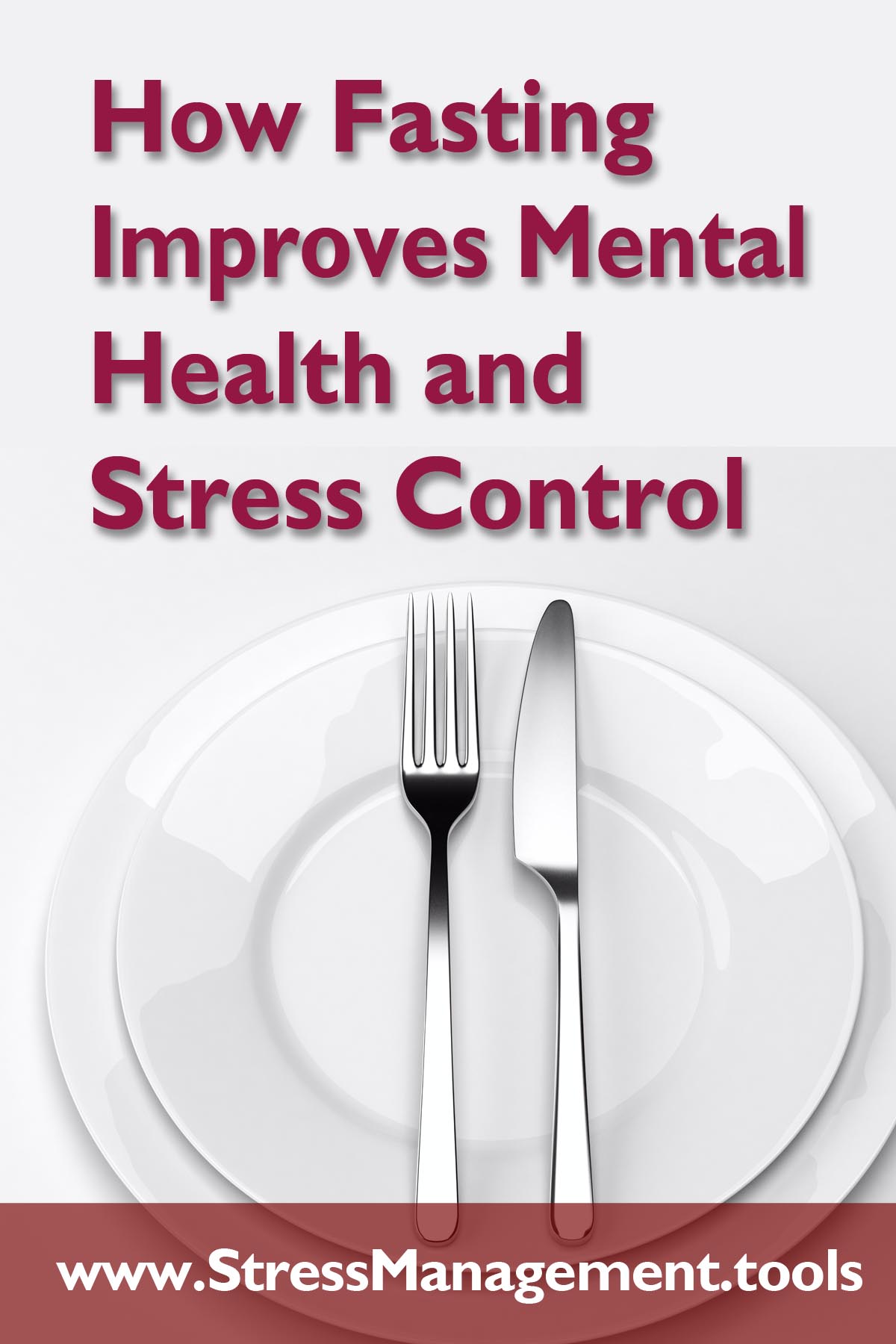
How Fasting Improves Mental Health and Stress Control

November 13, 2022 by Martin Neumann

Fasting Improves Stress Control

There are many different motives why people choose to do fasting. Some will do it to lose weight, others to clean the body, and often it is done for religious purposes. While all of that can be achieved when done properly, many do not realize that fasting has a positive effect on our mental health and stress control.

How Fasting Improves Mental Health and Stress Control

What is Fasting?

Fasting is a routine whereby you decide not to eat food for a certain time. Several metabolic adjustments occur during fasting. Some forms of fast restrict even liquid intake, which can get detrimental to the health very quickly. A fast for health reason is often done in the form of intermittent fasting, where food intake is alternated with a few hours of fasting.

Skipping food for some hours can help increase the level of ketones in your body. They are produced when energy from carbohydrates is used up and the liver depends on breaking down fat to supply energy in form of ketones. They are not only influencing health and aging, but are also beneficial in improving brain health. However, fasting offers still some more advantages. It has a great benefit to our mental health in a way that is not well known by many people.

Common Types of Fasting

Before we go into full detail about how fasting helps mental health, it is important to state the different types of fasting. The most common types of fasting are:

16/8 fasting: 16/8 fasting is very common and is all about fasting and eating intermittently. Every day you eat within an allowed period of eight hours, after which you will fast for the next 16 hours.

5:2 Approach: The 5:2 approach is about eating regularly five days every week. For 2 days of the week (not in a row), you would then limit your food to a single very light meal of about 500-600 calories.

Alternate-Day Fasting: That is the toughest form of intermittent fasting, where you alternate between days where you eat what you want and days where you eat nothing at all. It can lead to weight loss and improved health, but it is hard to stick to this protocol for the long run.

Intermittent Fasting Concept

The Dangers of Improper Fasting

Fasting is fine when done correctly, but if done in the wrong way, it can do more harm than good. If we go into long fasting periods, metabolism will slow down and make it more difficult to shed those extra pounds in the long run. Pregnant women, breastfeeding mothers, children and very frail people should be more cautious with fasting, and diabetics should be closely monitored to avoid complications. It is important to learn how to fast correctly in order to reap the maximum benefits.

Fasting to Help Increase Your Mental Health

Fasting can be used to increase your mental health in various ways. From improving brain function to reversing mild cognitive impairments in older people, fasting has several benefits to mental health.

Here are 6 ways fasting can improve your mental health:

Enhances mental functioning: Each time we fast, our bodies have fewer toxic materials passing through the lymphatic and blood systems. This way, we can think clearly. During fasting, the energy which the body usually uses for food digestion will then be used by the brain. Initially, you will not be able to detect any change until a few days into the fasting. This is because the body usually takes some time to adjust to the new routine. Also, when you first begin fasting, you may suffer headaches or other pains. But as soon as the body adapts to the new routine, your brain will begin functioning optimally. This will result in better memory, clearer thoughts, and enhanced functioning of other body senses.

Improves brain function among older adults: Fasting can improve specific parts of brain function as people grow older. This works especially with mild cognitive impairment, which is usually associated with seniors as this is a phase they experience before dementia. It can cause problems with thinking or memory and is reversible. Clinical studies have confirmed that mild cognitive impairment can be reversed with fasting.

A smart elderly person working on a computer

Empowers the brain: Fasting can lead to a short-term restriction on calories. This can help the brain produce more anti-depressant chemicals. Since fasting causes the body to produce ketones from available fats, our brains use this as fuel. With the brain being boosted by ketones, intermittent fasting can be used to treat the symptoms of Alzheimer’s disease, Parkinson’s disease, as well as many other neurodegenerative diseases.

Helps with autophagy: Fasting is also important to mental health due to its ability to trigger autophagy. This is a necessary process whereby the brain cleanses itself from all the trash it accumulates during the day. Autophagy is a process of self-cleaning whereby the all cells of the body, including the brain are cleaning themselves and get rid of old debris and damaged cells. Autophagy is a process that happens efficiently after a fasting period of 16-20 hours, which is easily achieved with intermittent fasting. It helps the brain to create healthier and newer cells.

Improve your memory: It has been proven clinically that our memory is improved significantly when we restrict the hours we eat. Some studies have shown that intermittent fasting can help improve memory in humans.

Reduce stress and anxiety: Fasting has been proven to help improve issues of mental health, which include depression, anxiety, and stress. A recent study conducted was able to prove that people who fasted during a certain period like Ramadan showed improvements in anxiety, stress, as well as symptoms of depression. Any kind of intermittent fasting will give you this benefit. The study revealed that the depression and anxiety levels of the participants went down after intermittent fasting.

Conclusion

Intermittent fasting is good for our health, increases longevity and is beneficial for our brain. When we are stressed, we should think more often about intermittent fasting as a way to deal with the challenges in a more efficient way. It is easy to implement and can give you a long-lasting benefit in your stress control. With that many benefits, what are you waiting for?

Do you need a guide to help you understand how to cope with Stress in an all inclusive approach? Learn how to combat stress, mentally, physically, emotionally and strategically in your life.
Get Me the Guide

Filed Under: Healthy Lifestyle, Nutrition Tagged With: Intermittent Fasting

5 Simple Lifestyle Changes for Stress Relief

October 16, 2022 by Martin Neumann

Lifestyle Changes for Stress Relief

Did you know that around 74% of people said in a recent study, that they’ve felt so stressed that they’ve been unable to cope?((Results of the Mental Health Foundation’s 2018 study. https://www.mentalhealth.org.uk/explore-mental-health/mental-health-statistics/stress-statistics)) You may not be at that point quite yet, but it’s worth making some simple lifestyle changes to reduce your stress levels before you get there.

5 Simple Lifestyle Changes for Stress Relief

The good news is that there are ways you can cut back on feelings of stress each day, from the comfort of your own home. Here are some of the top tips.

Exercise

Exercise is the number one way to handle stress.

When you’re feeling overwhelmed, you might not fancy rushing out to the gym for a sweat session. However, exercise is an amazing way to get endorphins – and positive feelings – rushing through your body. People who exercise regularly are less likely to suffer from anxiety than their counterparts.((M.H.M. De Moor, et.al. Regular exercise, anxiety, depression and personality: A population-based study. Preventive Medicine, Volume 42, Issue 4, 2006,Pages 273-279
https://doi.org/10.1016/j.ypmed.2005.12.002))

When you exercise – even only a little – you reduce the amount of stress hormones in your body and replace them with handy endorphins, which help to boost your mood.

Exercise can also improve sleep quality, which is often negatively affected by anxiety and stress. When you get enough sleep, you’re more capable of dealing with stressful feelings.

To get the most out of your exercise routine, find an activity you enjoy and mix it in with your schedule – even if it’s just a stretching session each night.

Get Social

Do you ever get the urge to isolate yourself when you’re stressed or nervous? You’re not alone. However, withdrawing from your social group could make your stress worse. Being part of a group of people who love and care for you will help to get you through tough times.

One study found that spending time with friends helps to release the natural stress reliever – oxytocin. Some professionals even call the socializing response the “tend and befriend” approach, rather than the “fight or flight” that we’re used to with stress.((Taylor SE, et.al. Biobehavioral responses to stress in females: tend-and-befriend, not fight-or-flight. Psychol Rev. 2000 Jul;107(3):411-29. doi: 10.1037/0033-295x.107.3.411))

If you can’t meet with someone face to face, find another way to connect. You can call a friend or loved one to vent some of the things you’re stressed about. Get into a video meeting, or just send someone a text if it helps.

Make Yourself Laugh

Have you ever noticed that it’s difficult to keep focusing on the things that make you feel anxious or stressed when you’re laughing? Laughter is genuinely good for your health, both from a physical and a mental perspective. It helps to relieve tension in your muscles and decreases your stress response.

A group of friends laughing.

Over time, regular periods of laughter can improve your mood and help your immune system to work better. According to a study of people suffering with cancer, people who laughed most experienced more stress relief than those who just distracted themselves.((Bennett MP, Zeller JM, Rosenberg L, McCann J. The effect of mirthful laughter on stress and natural killer cell activity. Altern Ther Health Med. 2003 Mar-Apr;9(2):38-45. PMID: 12652882.))

Read a funny book or talk to a friend who frequently makes you laugh. Being able to laugh about your own mistakes can be very much relieving stress. Even if you’re just giggling at something on TV, let it out.

Practice Self-Care Activities

We could all benefit from investing more time and effort into ourselves. We live in a society where it’s increasingly common for people to prioritize working too much or barely getting any sleep. However, these are the kinds of things that increase your stress.

Sometimes, it’s important to look at your life and ask yourself what you need to feel better. That could mean taking the time that you need for yourself and saying “no” when others ask you for help. It’s not selfish if you have reached your limits – it’s about giving yourself the help you need first.

Good self-care could also mean changing your routine. Go to bed earlier or change your menus so that you’re eating healthier food. Invest time and energy into things that make you feel good – even if it’s just having a long bubble bath.

Try Something New

Finally, sometimes all you need to get rid of stress is a new passion.

With that in mind, why not try something new? Take an art class with a pal and see whether being creative each day could help you to eliminate anxiety.There are plenty of studies that indicate that creative activities can reduce your anxiety levels.

If art isn’t your thing, try learning how to cook. Taking a class that teaches you how to create delicious and nutritious meals is an excellent way to get a new hobby going. When you’re cooking, you’ll be focused on what you’re doing in the kitchen, rather than spending all of your energy worrying about the things that bother you. Plus, learning how to cook could help you to eat healthier too!

Maybe you want to volunteer in a local organization in order to see the satisfaction in the faces of those you have helped. It can be very much rewarding and take away your focus from the worries of everyday life. Plus when you are in touch with people who are much worse off than you, then your struggles do not seem so big after all.

Try one of these effective strategies the next time you’re feeling stressed. Get in the habit of using them regularly and you’ll find greater enjoyment in your daily life. And get the 10 Minute Guide to Stress Management in order to get a clear plan on how you can control your Stress.

Do you need a guide to help you understand how to cope with Stress in an all inclusive approach? Learn how to combat stress, mentally, physically, emotionally and strategically in your life.

Get Me the Guide

Filed Under: Healthy Lifestyle

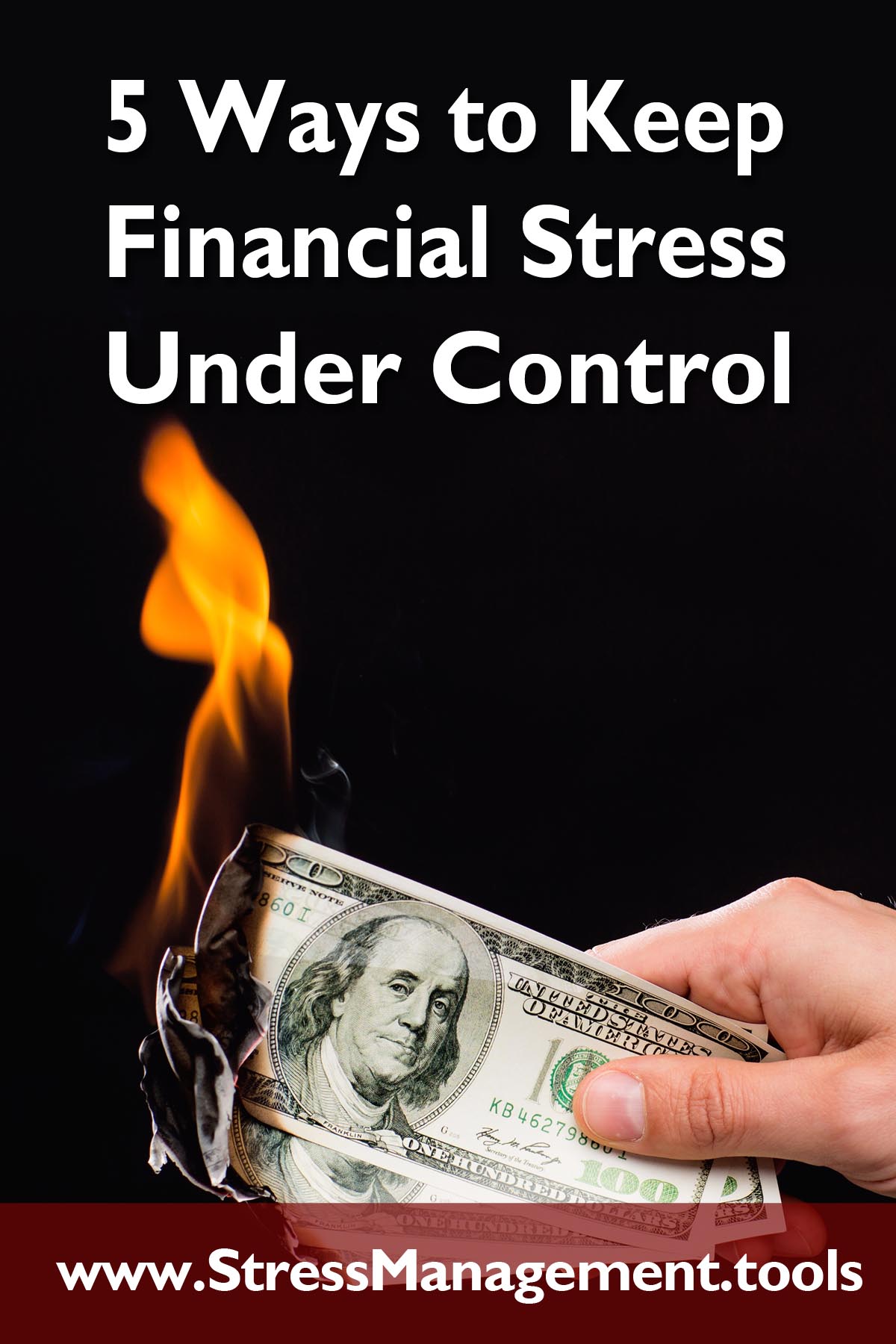
5 Ways to Keep Financial Stress Under Control

September 18, 2022 by Martin Neumann

Financial Stress

Right now, financial stress is causing a lot of turmoil for individuals and families around the globe. Actually, 87% of Americans are stressed about ever rising prices.((Stress in America 2022 https://www.stress.org/daily-life)) While many in the media might downplay it and tell consumers things might not be as bad as they seem, the truth is many are fearful about the economic outlook. Do you know how to navigate your finances in the midst of a financial crisis? This can be an important tool to control your stress in this difficult times.

5 Ways to Keep Financial Stress Under Control

It started with an influx of rising prices for groceries, which were blamed on supply chain shortages. Then gas prices skyrocketed, and blame was put on a distant war. Rent and mortgages are tripling and displacing many people from their homes.

It’s hard to remain calm when you’re finding that your dollar doesn’t stretch as far as it once did. Inflation and recessions are something we’ve been through before, but that doesn’t mean you have to sit idly by watching as your money struggles increase.

Instead, you can be an action-taker who doesn’t succumb to the stress of economic hardships and implement a plan that not only sustains your way of life, but allows you to thrive under poor financial conditions nationwide.

Don’t Be Afraid to Know the Truth About Where You Stand

You can’t stay stress-free if you don’t know the truth about what state your finances are in. Some people actively avoid looking into this because they feel it’s a dire situation and it’s easier to turn a blind eye than to face the reality of it.

There’s a level of guilt and shame knowing you’ve let your finances spiral out of control, but in this situation, you have to set that aside and handle your money so that things don’t get worse and put you in danger of a financial catastrophe.

Start with the roof over your head and the utilities that you need, such as water, electricity, phone and Internet. If you’re spending money on things like cable or streaming plans, jot those down, too.

Next, figure out how much you currently spend on food and gas as well as medical needs, clothing, and other bills. Once you’ve compiled those numbers, go through other debt you make regular payments on – such as retail and credit cards, loans, etc.

Doing accounting to determine a budget

Don’t get overwhelmed. This is a starting point for you to begin gaining control over the health of your bank account. You can’t do anything if you’re ignorant to the ruth of the matter.

Make sure you know the total amount due, the date it’s due, the minimum amount you need to pay each month, and the interest rate (if applicable). You’re going to want to meet your monthly needs first then plan for the repayment and pay off of the loans and debt that is weighing you down.

By the end of this exercise, you might feel like this burden is a lot to handle, but now you get to attack the money situation in a way that lets you breathe easy once again, so look to the immediate future from this day forward and don’t harp on what you’ve done in the past.

Know Your Necessities Versus Wants

For many, it’s hard to differentiate between needs and wants. Sometimes, you get so used to having something in your life that you feel as if it’s a necessity, when it’s really not.

You can chalk some things up as necessities easily, like food, electricity, gas, mortgage (or rent), and so on. You might easily be able to mark off a Starbucks or fast food as a want that you don’t really need.

The key will be for you to get tough on yourself and truly identify what’s necessary and what you can do without (at least for the time being). This doesn’t mean you have to always go without something, but you’re tightening up for a temporary pause while you get your financial worries cleaned up.

With the needs versus wants, you’re going to have to make some important decisions. Some things will be defined as a necessity, but the way in which you handle it financially is detrimental to you.

For example, you need clothes. But you don’t need designer clothes from an expensive store. You could get away with cheaper shops, hand-me-downs or even thrifting if necessary, depending on your current financial state.

Selecting clothes at the thrift store

The same goes with food. You need food – but you don’t need to order Door Dash three times a week from your favorite restaurants. You can plan and cook meals at home on a budget.

You might find working out to be a necessity for good health, but it doesn’t mean you have to keep your expensive gym membership. Instead, you can work out at home or outdoors.

These are decisions that might be difficult for you to explain to the rest of your family. But if you’re in charge of the financial health of your household, it may be a discussion you have to have.

Your kids may feel like they need Netflix, but the truth is, it’s a luxury that not everyone can afford. They may say they need their phone, but they don’t need unlimited text and minutes if you can’t afford a plan like that.

Go through your list to identify what’s necessary and what’s simply a desire to have, and if something is in the necessity column, look for ways you can alter spending to save you money.

Start Operating on a Budget That Works

Budgets are the self-control you need to get yourself on the right track financially. Most people don’t live on a budget, instead spending whatever comes in and hoping they can make it until the next payday.

You have to have willpower and control over what you allow to be spent out of your income. In normal times you should have a three-pronged system where you have money going toward necessities, some toward an emergency fund and a tiny bit toward things you don’t need, but want. If you have debts, you of course pay them back before creating an emergency fund.

Your budget has to fit within your income. So that may mean that instead of spending $250 a week at the grocery store, you only allow yourself $200 or even $175. To achieve these budgetary goals, you’ll need to spend some times planning.

You may need to create an affordable meal plan with rice and beans or pasta dishes that stretch far, fruits that are in season selling for a cheaper price, and store brands instead of brand name products.

If, to date, you’ve allowed everyone to pretty much place an order from the store for whatever meals they want, you might need to start preparing one meal for the entire family that everyone has to eat.

A family working together on meal preparation

Instead of using fresh broccoli crowns, you might use a bag of frozen ones and save money that way. Do the same with every expense you have when you’re preparing a budget.

Allot a specific amount for gas. If that means you can’t drive somewhere, then that’s what it means. You may need to carpool or take public transportation. You can also plan your errands strategically so that you’re traveling in a logical order and not zigzagging all over town back and forth.

If you come to an item in your necessities list and it looks as if your budget has run out already, look over it again and see what can be cut or transformed in terms of spending that will open up new funds for the necessity in question.

Living on a budget can be uncomfortable in the beginning. But the reality is, once you get used to it, you can feel peace of mind knowing you’ve properly planned for your spending in a way where you know your needs will be met.

Get Everyone in the House to Pitch In

When it comes to tackling a financial crisis, this is not a task you do silently on your own while everyone else lives life as usual. It’s important for your spouse and children to be aware of what you’re working on.

It’s important that you approach it the right way. You don’t want to start crying and talking in a panic about how broke you are or how you worry about losing the roof over your head or not being able to eat.

Kids don’t need to know the intricate details. What they can know is that right now, the nation (and world) is experiencing some high prices and limited income, so everyone has to be onboard to tighten up spending and get through this.

When kids know there’s something happening, they will want to help out. They’ll know not to ask for luxuries like a new gaming system or a big birthday party with their entire class being invited to an expensive place.

You can reward their ability to pitch in with ideas such as inexpensive meals the family may all like or family outings that don’t cost a penny. You might take turns letting them choose from this sort of thing so that they feel like they’re assisting mom and dad in their efforts to get through a financial tough spot.

A family going for an outing

Your spouse will definitely need to be onboard to help. Sometimes, only one parent or spouse handles all of the finances. No matter what the situation is, in terms of debt you’ve accumulated, now is the time to be honest with them so they can be mindful of their spending, too.

They need to know that lunch will be meal prep and not fast food, that the morning Starbucks is off the budget for now, and that now is not the time to upgrading things that can wait.

Because you might be working longer hours or even just stressed from handling the finances, it’s important that you get everyone to help in other ways, too. They can help with chores to allow you to either work on a side hustle in the evenings or do the other things you need to do to work within your budget, like cooking dinner or fixing lunches for the following day.

You might have teens who are old enough to work. If so, let them get a job so that they can begin earning their own money for extra activities or even new clothes if they want something trendy that you can’t afford in that moment.

Make Your Income Grow Steadily

Taking care of your income and spending based on what you have coming in and going out now is a priority. But when the dust settles and you have a budget and plan working for you, it’ll be time to bump up your earnings to take the pressure off a bit.

You may want to look into getting some extra income. Start with your current career. Have you been there long enough or have any qualifications that will make you eligible for a raise? Is there a different position within the company you could apply for in order to earn more?

What about adding on a second job? Some people work more than one job just during tough financial times so that they can afford their needs and wants better. You could have one fulltime job and a parttime job a few hours per week.

If you want to, you can also add a side hustle. This is similar to a second job, but you’re usually working more for yourself or as a freelancer than being a permanent employee who is assigned work hours.

If you have a car, you might want to sign up for companies like Uber, Uber Eats, Lyft, Door Dash and other delivery services or rideshare programs. Even if the payout is not much, you’ll set your own hours and earn money that includes tips.

You can also start your own online business if you want. There are many options for people who may need to be home with their kids in the evenings, but still want to add to their income streams.

You can teach some classes online for kids, and parents will be willing to pay for getting their kids up to par on subjects that they were falling behind. Sometimes they are even willing to invest in teaching their kids some extracurricular skills.

Teaching online as a side income

Freelance workers online can do administrative work for companies or entrepreneurs. You can do administrative tasks, ghostwrite content for brands who need things like blog posts, emails and eBooks, or create graphics if you’re good with programs like Photoshop.

You might want to create your own info products like video or text courses. Or, start a blog where you make recommendations for a niche audience where you earn a commission for every sale that goes through. It will take some time to learn the trade of online marketing, but if you get it right, it can give you a steady income.

There are many different platforms you can use to promote something and earn money – including Amazon, Etsy, ClickBank, Share-a-Sale, Commission Junction, Warrior Plus and JVZoo. Don’t sit idly by trying to survive on your current income when there are endless opportunities at your fingertips that can alleviate the financial stress you currently feel.

Now you need to decide how much time you want to spend on extra jobs. If you are threatened by a mortgage foreclosure, you may want to get some extra money at any price. But if you alleviated your debts, you need to decide between some extra income to sustain your lifestyle, or simplifying your lifestyle and having extra spare time to spend with your family.

As a conclusion, financial planning is essential if your finances are tight, and will help you to overcome even a tough economic crisis like we are passing through right now. That will help you quite a bit to get an important stress factor under control.

Do you need a guide to help you understand how to cope with Stress in an all inclusive approach? Learn how to combat stress, mentally, physically, emotionally and strategically in your life.

Get Me the Guide

Filed Under: Finances, Planning

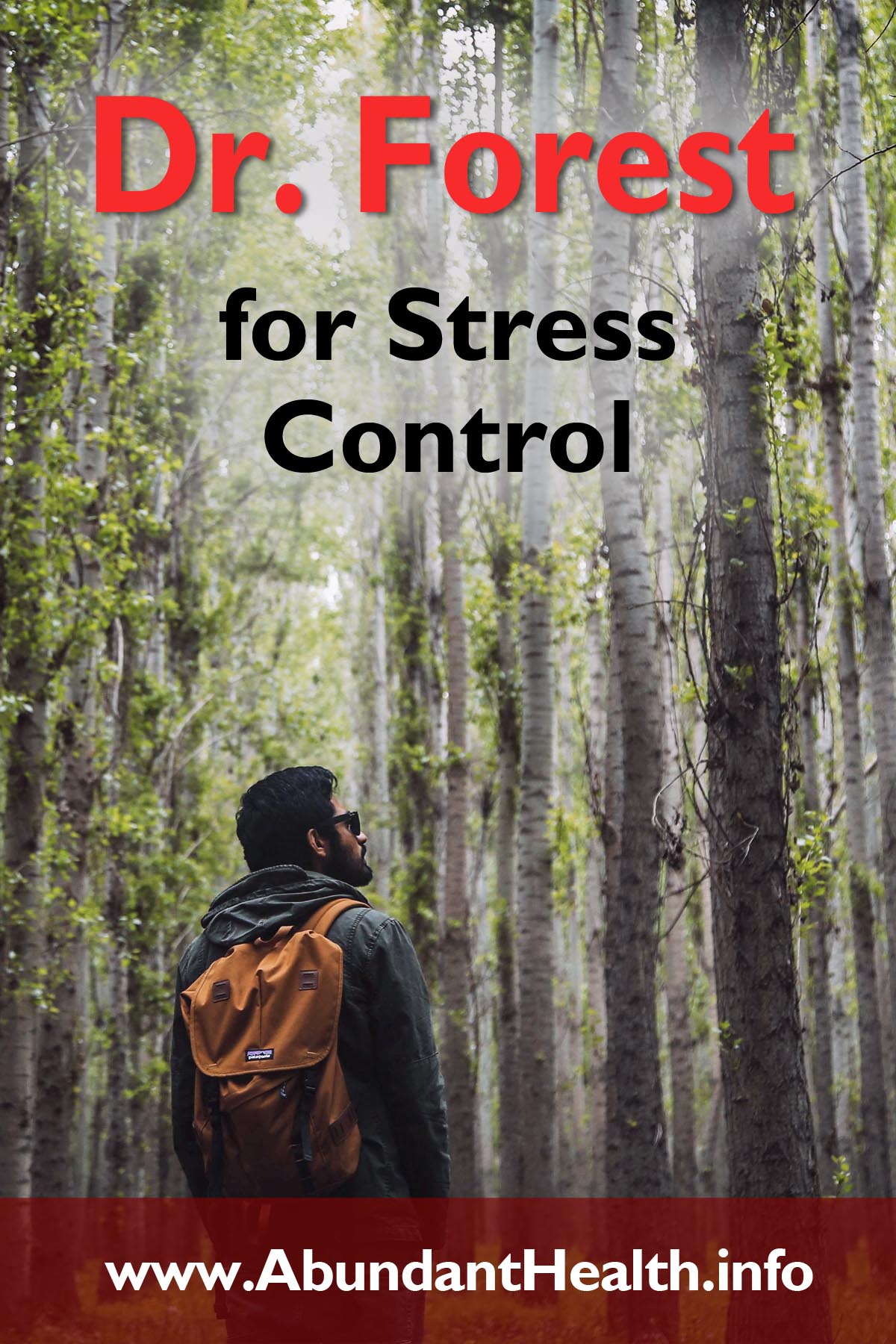
Dr. Forest for Stress Control

August 21, 2022 by Martin Neumann

Are you suffering from stress? Maybe it is time to clear your head and calm down. While the forest is essential for our entire ecosystem, it also does wonders to relax our mind and calm us down. Let us discuss some of the benefits of walking in the forest for a healthier mind, body and soul!

Dr. Forest for Stress Control

For all of Your Senses

More than a third of the US territory is covered by forest. In Canada it is around 40% and can reach 80% in some regions. A walk through the forest is a special experience. All senses are stimulated. If you listen closely, it rustles, swishes, chirps, cracks and twitters everywhere. If you draw the air deep into your lungs, the smells are also extremely diverse. They vary greatly depending on the type of forest. Forests with fir trees smell very different than those with broadleaf trees. And if a mushroom is nearby, experienced noses can also smell it.

Then comes the touch! Who recognizes the trees by feeling the bark with closed eyes? A young birch feels very different from an old oak. Opening the eyes again, we see a lot of green, which makes the mood rise and the pulse drop. On average, hospital patients who are allowed to look out into the countryside from their bed need much less care and painkillers than their fellow sufferers who only see bare walls in front of them.

And when you have hiked uphill through a forest and your eyes can wander unhindered above the tree line from mountaintop to mountaintop, the third dimension, the depth of space, is experienced in a breathtaking manner. Isn’t that a wonderful way to relax after staring for so long at the TV and computer screens?

A hiker in the mountains looks at the forest below the tree line

The modern world of work and leisure primarily demands our senses of hearing and sight. A walk through the forest stimulates all other senses as well. When walking on leaves and moss you can almost smell the carpet you are walking on. You can feel the wind on your face and sense the fresh coolness of a spring. This stimulus to the senses is not felt to be unpleasant like the sensory stimuli of civilization with their loud and hectic excesses.

Hiking also stimulates our sense of movement. An entire network of nerve sensors controls and monitors our movement and orientation behavior. And what is used will be strengthened. Gradually, the joy of movement increases and demands more. This is particularly important for our children. In order to compensate the many sedentary activities, you absolutely need to find a balance when hiking in nature. A lot of children have lost interest in nature. Walks in the woods in particular are great for arousing children’s curiosity about the wonders of nature. However, this requires some preparation on the part of the adult companions. Who knows more than five wild herbs, birds, flowers or trees?

Space for Encounter

Basic social needs are also met when hiking. Most people go hiking with a companion. Wonderful conversations then arise quite casually. There is an openness that breaks down barriers in casual conversation, in an environment that is beneficial to health. Friendships are formed or strengthened along the way. Positive encounters with others activate our messenger substances so much that dopamine, oxytocin and endogenous opiates are increasingly released. All of these messenger substances help us to lead a happier and more satisfied life.

Two hikers in a conversation

Furthermore, if someone can say: “The forest is my church”, the divine dimension is added. Experiences in nature bring us closer to our Creator. After all, HE gave us the task of preserving and using nature. If we strike up a happy song while hiking, we can even infect other hikers with our happy nature. I especially appreciate on the hiking experience the leaving, but also the arriving. When I leave, I free myself from everyday worries and obligations. I can empty my head, discover new perspectives in life, cast off role constraints, find experiences. Investing in experiences brings happiness, not investing in stuff.

Refueled!

And then arriving: the warm shower that washes away the sweat, stretching out comfortably on the sofa, the thought that you have now earned all this makes everyday life seem more attractive again. I have arrived back home or in the security of a shelter.

The forest offers something special in every season. In summer it is a blessing to hike in the forest. It protects us from the scorching summer sun. We experience an intense interplay of light and shadow. In autumn, it enchants our senses with a firework of colors. In winter we can read tracks in the snow and observe wildlife.

Trees that have shed their leaves have a special charm. They reveal their growth to us. We can almost read what experiences the tree has behind it. And in spring he promises us a new beginning, a new start, new growth and life.

If we look at the forest and hiking from the listed perspectives, we can give the forest a very special title: Doctor Forest. It virtually helps us to regain our health. Let us use it in this sense in the coming days and weeks! Happy hiking!

Do you need a guide to help you understand how to cope with Stress in an all inclusive approach? Learn how to combat stress, mentally, physically, emotionally and strategically in your life.

Get Me the Guide

Filed Under: Exercise, Healthy Lifestyle

What is Causing Stress for Seniors?

July 24, 2022 by Martin Neumann

Stress for Seniors

By the time you’ve reached the twilight of your life, you still face a very unique, yet very real set of stresses. The stress that elderly people face is much different from that of any other age group, and as such, many people younger than them don’t know how to help, because they simply can’t relate as they’ve never experienced these things themselves.

What is Causing Stress for Seniors?

Some people are kind of lost when they retire, because work has been their focal point for all their life, and gave them a certain kind of satisfaction. Once they retire, they kind of lose their purpose and do not know what to do all day long. This is such a kind of change that can cause you an existential stress, even though your responsibilities have diminished all of the sudden.

Others want to catch up on all of the things they had no time to do while they were working. So they pack their agenda with all kinds of activities and are eventually busier than somebody who is on his 9 to 5 job.

One of the most prevalent factors of stress at this age is simply death. Most people don’t live past their eighties, with exceptions, of course. Once you start approaching that age, you realize just how little time you have left.

There’s this constant pressure to make your life feel complete by the time you pass away, so there’s this major stress you have to face in trying to do all of these things you always wanted to do.

Of course, this isn’t always entirely feasible, because chances are, you wouldn’t be as mobile at this point. Once you really start to climb in age, your mobility just gets worse and worse, and in some cases, you might even be wheelchair bound.

Some elderly people remain mobile their entire lives, while others might end up stuck in a wheelchair or bedridden early on. Along with a variety of other health problems, physical health is something very worrying for people this age.

A senior in his wheelchair

Another cause of stress for people sixty and over is that they often see their circle of family and friends shrinking each year from them passing away. Parents and older siblings may have passed away, or even their spouse.

This can cause an immense feeling of loneliness, with many of the people you once knew no longer being in your life. This also accompanies the first major factor, with people wondering whether or not they’ll be the next one in their circle to pass away.

With that in mind, one of the final causes of stress in older people is that they are often secluded and don’t see much attention. Without the mobility or energy to go out, with so many friends passing away, many older people don’t have a reason to do much – besides sit at home and watch TV or read.

Some are a bit more active, but regardless, it’s very difficult for them to do anything. Some have no form of transportation, even if they did feel like going somewhere. It’s not easy at all to recognize stress in older people, as they typically contain it very well.

They’re often overlooked when it comes to thinking about people who get stressed out, because they don’t necessarily do much. They’re likely retired, and spend most of their time at home watching television.

For many people, that sounds like a great time, but for them, it’s just the only thing they can do for entertainment, since it’s so hard for them to go out and about. One way you can tell that they’re a bit stressed is that they’ll start to eat a lot less.

By ceasing to take good care of themselves, they’ve essentially just given up. This can be dangerous, because if they’re not taken care of, they might end up having some serious health issues, since their bodies aren’t anymore in top physical condition.

Another big sign of stress in older people is that they just kind of stop caring. At some point, when most of the people you once knew were gone, and you will be soon, it’s difficult to find genuine joy in just about anything.

The few things you might have been able to enjoy are often too physically demanding, leaving you with so few options that you’re simply uninterested in anything else. There are some solutions that can make older people’s lives much better.

For example, it’s very important that they continue to be social, even if their old friends aren’t with them any longer. There’s no harm in being social with your kids or grandkids, and it gives you a much needed opportunity to get out of your shell once in awhile.

A senior being social with family

It’s not healthy to go from being social your whole life to suddenly being reclusive. You’re just not meant to endure that kind of change. It’s very, very important that you come to terms with the life you’ve lived by this point.

Living the later years of your life full of regret is not good, so just learn to be happy or accepting of the life you’ve had. There’s no sense in worrying about the past since you can’t change it, so you might as well do something more enjoyable than just worrying all day.

It can be good to reminisce about old times, but you shouldn’t spend an excessive amount of time on it. Looking back through an old photo album once in awhile with some family or friends and talking about the past can be a great way to fondly remember exactly what your life was like, but if you dwell on it or obsess over it, you’ll just start to become sad that you’re not there now.

It helps to just change things up a little here and there to break up the monotony. Get food from some place new, perhaps take a tour of a place you’ve never been to. Little things like this can make all the difference, because you’ll be able to essentially scratch something off of your bucket list, leaving you with one less thing to be able to regret.

Elderly woman having fun outside

Stress can be at your side through your entire life. As a toddler, you may have endured a volatile family situation, then gone through bullying in school. You followed that up with bad decisions in college, and financial and career stress as a young adult.

As you aged, you experienced relationship stress, health stress and the looming stress of getting older. Because it’s something that everyone deals with in one form or another, it’s important that you learn to recognize when you, yourself are stressed as well as your loved ones.

Knowing stress is getting out of control can alert you that it’s time to seek out a solution or remedy. Because everyone is different, the treatment that works for one person may not work for another.

You might need professional help, or be able to handle it on your own, naturally. You also may need to experiment with a variety of stress relief solutions and find one or a combination of things that work best to alleviate your concerns and help you enjoy life and remain calm on a consistent basis.

Do you need a guide to help you understand how to cope with Stress in an all inclusive approach? Learn how to combat stress, mentally, physically, emotionally and strategically in your life.
Get Me the Guide

Filed Under: Phases of Life, Seniors

« Previous Page
Next Page »

Primary Sidebar

Copyright © 2026 Stress Management Tools · Log in